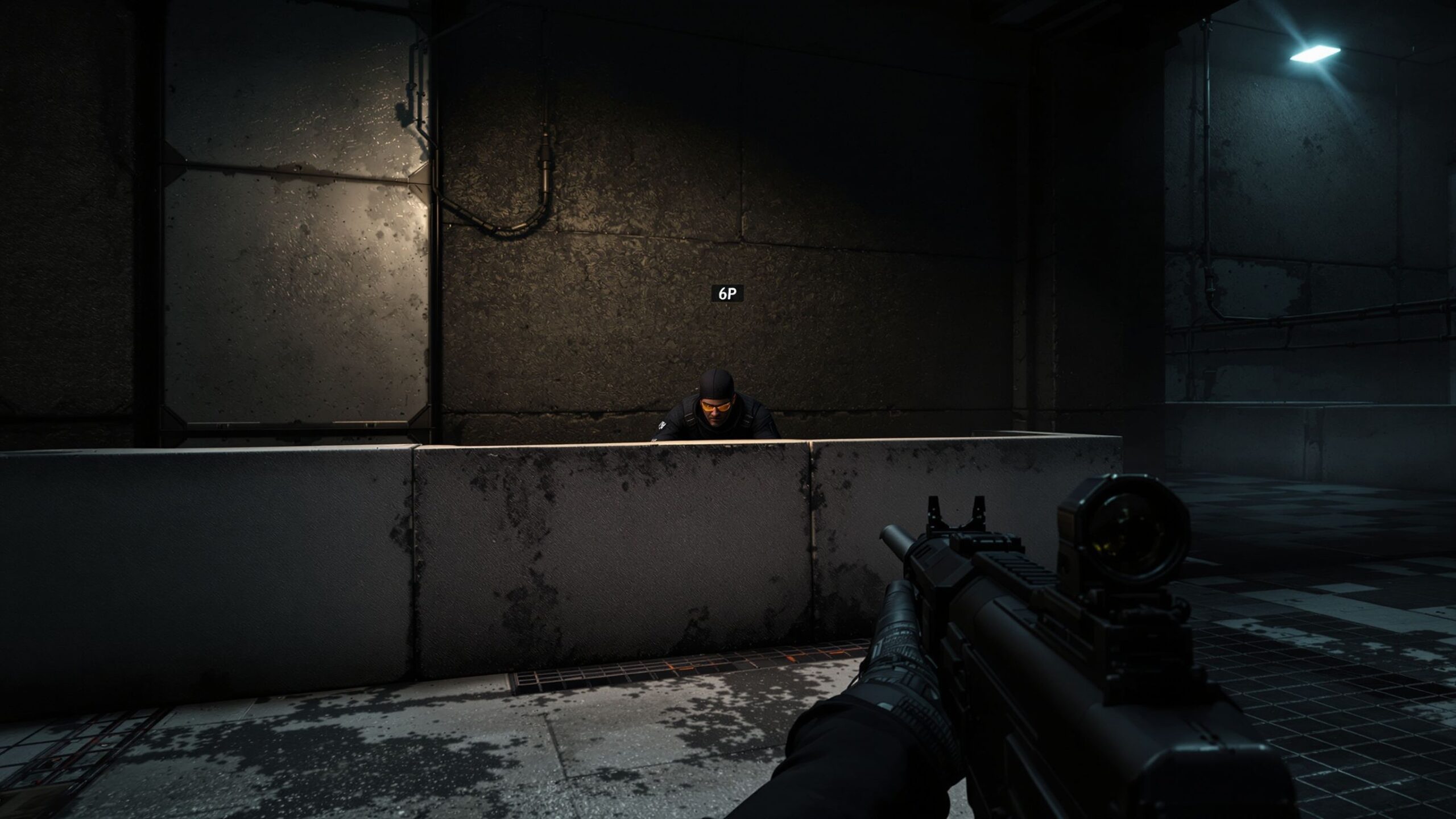
Few mechanics define the feel of a shooter game more than recoil. The moment a player pulls the trigger, the weapon kicks, the sights jump, and accuracy becomes a battle between control and chaos. Whether you’re playing tactical shooters, military simulations, or arcade-style gunplay, recoil control plays a critical role in shaping how weapons behave and how skilled players master them. In modern shooter games, recoil isn’t simply a visual effect. It is a complex system built from physics simulations, procedural animation, weapon statistics, and player input mechanics. The way recoil works influences everything from weapon balance to competitive strategy. Understanding how recoil control functions can dramatically improve a player’s performance and also reveal the sophisticated design behind modern shooters. This guide explores the mechanics, design philosophy, and player strategies behind recoil systems in modern shooter games, explaining why mastering recoil control is one of the most important skills in the genre.
A: It is the act of countering a weapon’s kick so your shots stay on target during repeated fire.
A: They usually have lower vertical climb, less horizontal bounce, slower fire rates, or more forgiving recoil recovery.
A: No. Recoil moves your aim, while spread affects where bullets land around your aiming point.
A: Short bursts keep recoil manageable and preserve accuracy at medium to long range.
A: Yes. Muzzles, grips, stocks, and perks can significantly change how stable a weapon feels.
A: Many shooters penalize movement by adding sway, spread, or harsher recoil while firing on the move.
A: Often yes for fine adjustments, but controller aim assist can help compensate in many games.
A: Not always. Too much stability can hurt mobility, aim speed, or close-range responsiveness.
A: Learn one weapon at a time, test its spray pattern, fire in controlled bursts, and practice dragging against the kick.
A: It stops powerful weapons from becoming effortless laser beams and gives skillful players room to stand out.
What Recoil Represents in Shooter Games
Recoil in shooter games simulates the physical reaction of a firearm when it is fired. In real firearms, recoil occurs because of Newton’s third law of motion: every action produces an equal and opposite reaction. When a bullet is propelled forward by expanding gases, the firearm pushes backward against the shooter.
Game developers translate this real-world phenomenon into gameplay mechanics that affect aiming and weapon control. When a player fires a weapon in a shooter game, the camera or weapon model moves upward or sideways to represent the force of recoil. This movement disrupts the player’s aim and requires corrective input to maintain accuracy.
Recoil serves multiple gameplay purposes. It prevents players from firing endlessly accurate shots without skill, it differentiates weapon types, and it creates a satisfying sense of power when firing guns. Without recoil mechanics, most shooter games would quickly become shallow point-and-click experiences with little skill progression.
The Two Main Types of Recoil Systems
Most modern shooter games use one or both of two primary recoil systems: random recoil and pattern-based recoil. These systems define how the weapon behaves when multiple shots are fired in rapid succession.
Random recoil introduces a degree of unpredictability into weapon behavior. Each shot slightly alters the direction of the weapon, creating small variations in vertical or horizontal movement. This randomness prevents players from perfectly memorizing recoil behavior and forces them to adjust in real time.
Pattern-based recoil, on the other hand, follows a predetermined path. Each weapon has a consistent recoil pattern that moves the aim in a specific direction over time. For example, the recoil might rise vertically for the first few shots before drifting slightly left or right. Skilled players can learn these patterns and compensate for them by moving their mouse or joystick in the opposite direction.
Many competitive shooters use pattern-based recoil because it rewards mastery and practice. Players who dedicate time to learning weapon patterns can achieve greater accuracy and control during sustained fire.
Vertical Recoil and Horizontal Recoil
Recoil in shooter games usually consists of two directional forces: vertical recoil and horizontal recoil.
Vertical recoil causes the weapon to climb upward after each shot. This is the most common form of recoil and the easiest for players to counter. By pulling their aim downward, players can counteract the upward movement and maintain their target.
Horizontal recoil introduces side-to-side movement. Unlike vertical recoil, horizontal recoil is often more difficult to control because it may include slight randomness or alternating directions. This unpredictability prevents weapons from becoming laser-accurate during automatic fire.
The combination of vertical and horizontal recoil forces players to balance controlled bursts with careful aim adjustments. In many games, sustained automatic fire becomes less accurate the longer the trigger is held.
Recoil Patterns and Skill Mastery
One of the most fascinating aspects of recoil mechanics is the concept of recoil patterns. In games that feature pattern-based recoil, every weapon follows a consistent path when fired continuously.
For example, an assault rifle might climb vertically for the first few shots, then curve slightly to the right, and finally stabilize into a wider horizontal sway. Players who study these patterns can learn how to counter them with opposite mouse movements.
Competitive players often spend time practicing recoil control in training modes or custom matches. By memorizing patterns and building muscle memory, they can maintain remarkable accuracy during sustained fire.
This skill-based recoil system rewards dedication and practice, allowing experienced players to outperform newcomers through mechanical mastery rather than relying solely on reaction speed.
Burst Firing and Tap Firing
Because recoil accumulates during continuous fire, many shooters encourage players to use burst firing or tap firing techniques.
Burst firing involves firing short bursts of two to five shots instead of holding the trigger continuously. This technique limits recoil buildup and allows the weapon to reset between bursts, improving accuracy.
Tap firing is even more precise. Players fire single shots in quick succession, giving the weapon time to settle after each shot. This method is often used for long-range engagements where accuracy is more important than volume of fire.
These firing techniques mirror real-world firearm training and introduce tactical decision-making into gameplay. Players must constantly evaluate whether to spray bullets aggressively or fire controlled bursts for maximum precision.
Weapon Attachments and Recoil Modifiers
Modern shooter games frequently include weapon customization systems that allow players to modify recoil behavior using attachments.
Attachments such as compensators, muzzle brakes, vertical grips, and stocks can significantly alter recoil characteristics. Some attachments reduce vertical recoil, while others stabilize horizontal movement or improve weapon handling during sustained fire.
Developers use these customization options to create meaningful trade-offs. A muzzle brake might reduce recoil but increase weapon noise or muzzle flash. A heavy grip might improve stability while slowing aim-down-sight speed.
These choices allow players to tailor weapons to their preferred playstyle, whether they favor aggressive close-range combat or controlled long-range engagements.
Camera Recoil vs Weapon Recoil
Another important distinction in modern shooters is the difference between camera recoil and weapon recoil.
Camera recoil affects the player’s view by physically moving the camera upward or sideways when a weapon fires. This makes recoil feel more impactful and immersive because the entire screen shifts during shooting.
Weapon recoil, on the other hand, affects the bullet trajectory or weapon model independently of the camera. In some games, the weapon model may bounce or sway while the player’s view remains relatively stable.
Balancing these two systems is crucial for game design. Too much camera recoil can make aiming frustrating, while too little recoil can make weapons feel weak or unrealistic. Developers carefully tune these systems to achieve a satisfying balance between realism and playability.
Realism vs Gameplay Balance
Recoil systems in shooter games rarely attempt to perfectly replicate real-world physics. Instead, developers design recoil with gameplay balance in mind.
In real life, firearms can be extremely difficult to control during automatic fire. If games simulated recoil exactly as it occurs in reality, many weapons would become nearly unusable. Instead, developers exaggerate or simplify recoil behavior to maintain fun and fairness.
For example, light machine guns may have strong recoil but remain controllable with practice. Submachine guns might have lower recoil but deal less damage at long range. Assault rifles often strike a balance between stability and firepower.
These design decisions ensure that each weapon class serves a unique role within the game’s combat system.
Recoil Recovery and Reset Mechanics
Recoil systems typically include a recovery mechanic that allows weapons to reset after firing.
When a player stops shooting, the weapon gradually returns to its original aiming position. This recovery time determines how quickly players can regain accuracy after firing bursts.
Fast recovery encourages aggressive burst firing, while slower recovery forces players to pause between engagements. Some games also include recoil reset timers that fully reset recoil patterns if the player waits long enough between shots.
These mechanics encourage rhythm and pacing during combat, preventing players from mindlessly holding the trigger.
How Recoil Affects Weapon Balance
Recoil is one of the most powerful tools developers use to balance weapons. By adjusting recoil strength, developers can fine-tune how powerful a weapon feels without changing damage values.
A high-damage weapon might be balanced with strong recoil that makes sustained fire difficult. Conversely, a low-recoil weapon might deal less damage but remain highly accurate.
This balance ensures that no single weapon dominates every scenario. Players must choose weapons that suit their preferred engagement distance and playstyle.
For example, sniper rifles often have extreme recoil but deal massive damage with each shot. Assault rifles provide moderate recoil and versatility, while submachine guns offer controllability at close range.
Player Skill and Recoil Compensation
Recoil control ultimately comes down to player skill. The ability to counter recoil quickly and consistently separates experienced players from beginners.
Mouse and controller input both play important roles in recoil compensation. PC players often rely on precise mouse movements to counter recoil patterns, while console players may use joystick adjustments and aim assist systems.
Muscle memory becomes a major factor over time. Skilled players develop instinctive reactions to recoil behavior, allowing them to maintain accuracy even during intense firefights.
This progression creates a satisfying learning curve. As players improve their recoil control, they gain confidence and efficiency with their chosen weapons.
Competitive Shooter Design
In competitive shooters, recoil control is often a defining element of high-level play. Professional players spend hours mastering recoil patterns, weapon timings, and firing techniques.
Because recoil is predictable in many competitive shooters, players can develop highly refined control strategies. This mastery allows them to achieve incredible accuracy during sustained fire.
Recoil systems also contribute to strategic depth. Teams may choose specific weapons based on their recoil characteristics, map design, or engagement ranges.
By rewarding precision and practice, recoil control becomes a cornerstone of competitive gameplay.
Audio and Visual Feedback
Modern shooter games enhance recoil systems with powerful audio and visual feedback.
Gunshots, muzzle flashes, weapon animations, and screen shake all contribute to the sensation of recoil. These effects help players understand how their weapon is behaving and when adjustments are needed.
Developers carefully design these feedback systems to communicate information without overwhelming the player. A subtle muzzle climb, combined with distinct firing sounds, can signal recoil buildup before accuracy begins to deteriorate.
This feedback loop keeps players engaged and aware during fast-paced combat.
The Evolution of Recoil Systems
Recoil mechanics have evolved significantly over the history of shooter games.
Early shooters often featured minimal recoil because hardware limitations made complex simulations difficult. Weapons behaved almost like laser pointers, allowing players to fire continuously with little consequence.
As technology improved, developers began introducing more advanced recoil systems. Procedural animations, physics simulations, and dynamic weapon handling transformed the genre.
Modern shooters now feature highly detailed recoil mechanics that vary by weapon type, attachments, player stance, and movement. Some games even simulate factors like weapon weight and firing rate.
These innovations have made recoil control one of the most nuanced and skill-based mechanics in modern shooters.
Why Recoil Control Matters
Recoil control is more than just a technical feature; it is a core element of what makes shooter games engaging. The constant struggle between weapon power and player control creates tension and excitement during every firefight.
Players must balance aggression with discipline, choosing when to spray bullets and when to fire carefully aimed shots. Mastering recoil allows players to maximize weapon effectiveness and outplay opponents through skill rather than luck.
This blend of mechanical mastery, tactical decision-making, and visceral feedback is what makes recoil systems so compelling.
Final Thoughts
Recoil control lies at the heart of modern shooter game design. What appears to be a simple upward kick of a weapon is actually the result of sophisticated systems involving physics simulation, weapon balance, animation design, and player skill mechanics.
From vertical recoil and pattern learning to attachment customization and recovery timing, recoil systems shape the rhythm and strategy of combat. They reward practice, encourage tactical thinking, and create a sense of mastery that keeps players coming back for more.
As shooter games continue to evolve, recoil mechanics will remain one of the most important elements defining how weapons feel and how players engage with the battlefield. Mastering recoil control isn’t just about aiming better; it’s about understanding the deeper mechanics that drive the entire shooter experience.