
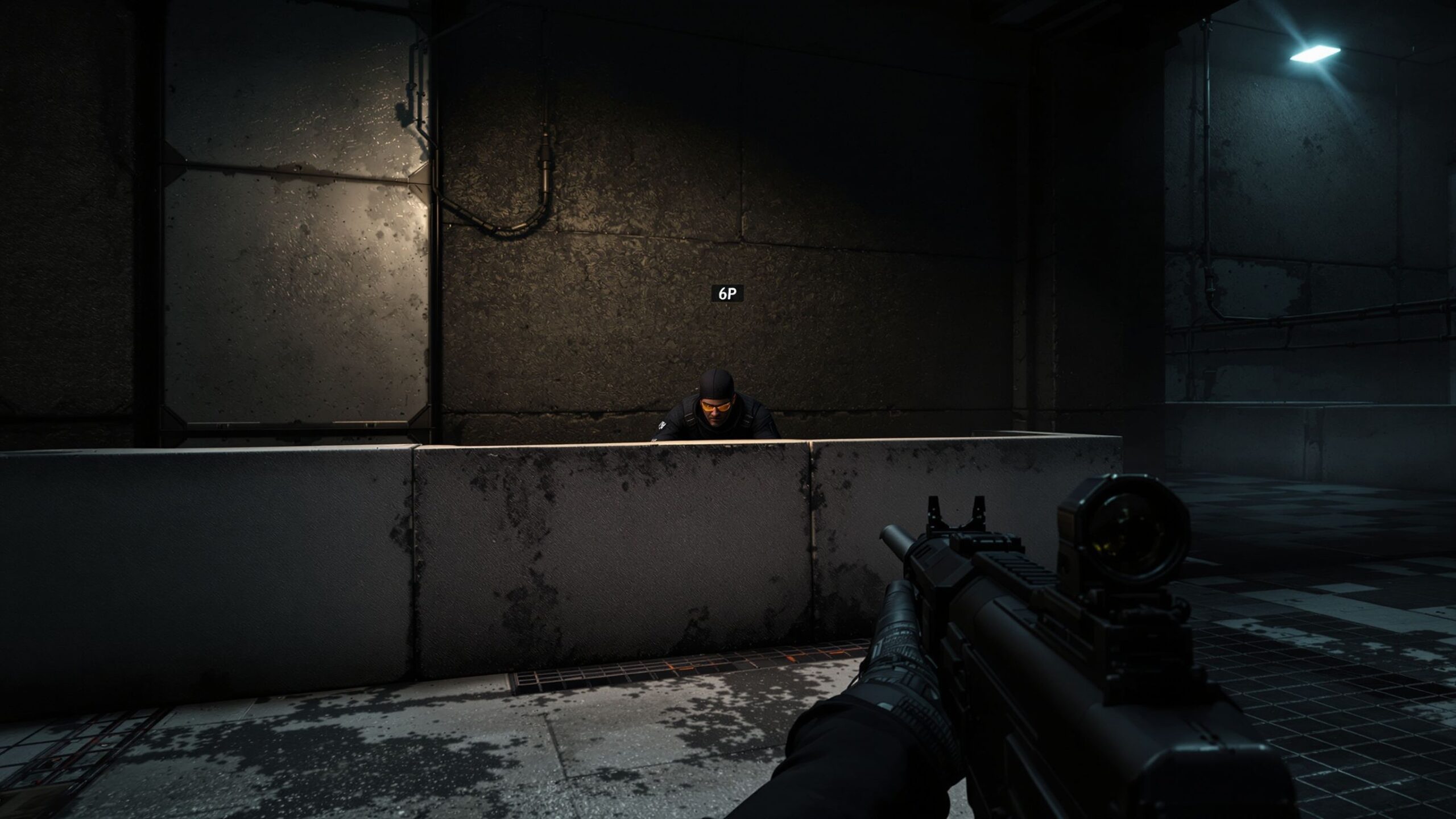
In the fast-paced world of first-person shooters, winning more gunfights is about far more than just landing shots. While aim is important, the players who consistently dominate understand how to control engagements before they even begin. Whether you are competing in Call of Duty, strategizing in Valorant, or surviving chaotic battles in Apex Legends, the difference between average and elite players often comes down to positioning, timing, and movement. These three pillars define how fights unfold and ultimately determine who walks away victorious.
A: Better crosshair placement, smarter positioning, and cleaner timing usually outperform pure aim grinding alone.
A: No. Wide swings work in specific situations, but sometimes a tight or info peek is smarter.
A: You may be overexposed, moving while firing, or aiming at the wrong height when the duel starts.
A: Slow your decisions, pre-aim before swinging, and treat each peek like a planned action.
A: Not by itself. Aim helps, but map knowledge, timing, and fight selection matter just as much.
A: Repositioning breaks enemy expectations and reduces the chance of being traded or pre-aimed.
A: Hold from cover, keep your crosshair ready, and avoid standing where multiple enemies can swing you at once.
A: Watch rotations, listen carefully, review deaths, and start predicting where opponents want to go next.
A: Use them as inspiration, but build settings around what feels stable and repeatable for you.
A: Taking fights without a plan—especially when cover, timing, or numbers are against you.
Why Gunfight Skill Is More Than Just Aim
It is a common misconception that the best aimers always win gunfights, but in reality, aim is only one part of a much larger equation. Many high-level players succeed not because they never miss, but because they put themselves in situations where missing matters less. They create advantages before the fight even begins, forcing opponents into unfavorable positions and reacting faster because they are prepared. Every gunfight can be viewed as a setup rather than a reaction. When you understand where to stand, when to engage, and how to move, you reduce randomness and increase consistency. This shift in thinking is what separates reactive players from strategic ones who dictate the flow of combat.
Mastering Positioning: Control the Fight Before It Starts
Positioning is the foundation of every successful gunfight. It determines what angles you can hold, how much information you have, and how safe you are during an engagement. Strong positioning allows you to see your opponent before they see you, giving you a crucial reaction advantage. One of the most important aspects of positioning is controlling lines of sight. Instead of wandering into open areas, you want to anchor yourself in locations where enemies are forced to move into your view. This gives you the benefit of preparation while limiting their options. Holding tight angles rather than wide, exposed ones can drastically improve your survival rate. Elevation also plays a critical role in positioning. Being slightly above your opponent can give you better visibility and force them into uncomfortable aiming adjustments. Even subtle height differences can create a meaningful advantage in fast-paced fights. Equally important is your relationship to cover. Every position should include a way to disengage or reset the fight. Players who fight in the open rely entirely on aim, while those near cover can take shots, retreat, and re-engage on their own terms. This ability to control the pace of a fight is what makes positioning so powerful. Map awareness ties everything together. The more familiar you are with common pathways, choke points, and high-traffic zones, the easier it becomes to predict enemy movement. Over time, this knowledge allows you to pre-aim effectively and anticipate encounters before they happen.
Timing: The Hidden Advantage That Wins Fights Instantly
Timing is one of the most overlooked skills in FPS gameplay, yet it often determines the outcome of a fight before it even begins. Perfect timing means engaging when your opponent is least prepared and avoiding fights when the odds are stacked against you. Surprise is one of the strongest forms of timing advantage. Catching an opponent while they are distracted, reloading, or rotating gives you a significant edge. Even a fraction of a second can be enough to secure a win. Understanding player rhythm is another key element. Many players develop habits, such as checking the same angles or peeking at predictable intervals. By recognizing these patterns, you can disrupt them. Delaying your peek or acting earlier than expected can completely throw off your opponent’s expectations. Timing also involves knowing when not to fight. Discipline is critical. If you are at a disadvantage, it is often better to reposition and wait for a better opportunity. Smart players understand that survival and control are more valuable than unnecessary risks. In team-based scenarios, timing becomes even more impactful. Coordinated pushes and synchronized engagements can overwhelm opponents, creating situations where they are forced to react under pressure. When multiple players act together, their combined timing becomes a powerful tool.
Movement: Becoming Harder to Hit While Staying Accurate
Movement is the bridge between mechanical skill and strategy. It is not just about moving quickly, but about moving in ways that make you difficult to track while maintaining your own accuracy. Predictability is one of the biggest weaknesses in movement. Straight-line motion is easy to follow, making you an easy target. Instead, effective players vary their movement patterns, changing direction and speed to disrupt enemy aim. Controlled strafing is a fundamental technique that allows you to stay mobile while maintaining accuracy. By briefly stabilizing your movement before shooting, you can balance precision and unpredictability. This creates a dynamic playstyle that is difficult to counter. Peeking technique is another critical aspect of movement. How you expose yourself to an angle determines how much risk you take. Tight, controlled peeks minimize exposure, while wider swings can be used strategically to throw off an opponent’s aim. Knowing when to use each approach is key. Advanced movement involves using momentum and environmental interaction to your advantage. Sliding, jumping, or quickly changing direction can make you a more elusive target. The goal is not constant motion, but purposeful movement that supports your positioning and timing.
Combining Positioning, Timing, and Movement
While each of these skills is powerful on its own, their true strength comes from how they work together. The best players do not think of positioning, timing, and movement as separate elements. Instead, they integrate them into a seamless approach to every fight. A well-positioned player who times their engagement perfectly and moves unpredictably creates a scenario where the opponent has very little chance to respond effectively. This combination allows you to control the pace of the fight and force mistakes. When these elements align, gunfights become less about reaction and more about execution. You are no longer hoping to win—you are creating conditions where winning is the most likely outcome.
Reading Opponents and Adapting Mid-Fight
Adaptability is a crucial skill in any FPS game. Every opponent is different, and the ability to read their behavior and adjust your approach can give you a significant advantage. Observing how your opponent plays provides valuable insight. Some players are aggressive, constantly pushing forward, while others are more passive, waiting for opportunities. Recognizing these tendencies allows you to counter them effectively. Adaptation also involves changing your own habits. If a strategy is not working, continuing to repeat it will only lead to more losses. Adjusting your positioning, timing, or movement can disrupt your opponent’s expectations and shift the outcome in your favor. Confidence plays an important role in adaptation. Hesitation can cost valuable moments, while decisive action can catch opponents off guard. Trusting your instincts and committing to your decisions often leads to better results.
Practice Habits That Actually Improve Gunfights
Improving your performance requires more than simply playing more matches. Focused practice is essential for developing the skills needed to win more gunfights. Reviewing your gameplay is one of the most effective ways to identify mistakes. Watching your matches allows you to see patterns in your losses and understand what needs to change. This level of self-awareness is key to improvement. Training your aim is still valuable, but it should be combined with real-game scenarios. Practicing movement, positioning, and decision-making alongside aim creates a more complete skill set. Challenging yourself against stronger opponents accelerates growth. While it can be difficult, it forces you to adapt and refine your strategies. Over time, this leads to noticeable improvement. Consistency is what ties everything together. Small, steady improvements build over time, leading to significant progress in your overall performance.
Common Mistakes That Cost You Fights
Many players struggle not because they lack skill, but because of repeated mistakes that hold them back. Recognizing these issues is the first step toward fixing them. Overexposure is one of the most common problems. Staying visible for too long increases the chances of getting eliminated. Using cover effectively can greatly reduce this risk. Taking unnecessary fights is another frequent mistake. Not every engagement is worth it, and knowing when to disengage can save your life and improve your overall performance. Predictable movement makes you an easy target. Varying your patterns keeps opponents guessing and reduces their ability to track you. Poor timing can negate even the best positioning. Engaging at the wrong moment gives your opponent an advantage, making timing a critical factor in every fight.
Building a Winning Mindset
A strong mindset is essential for consistent success. Confidence, patience, and discipline all contribute to better performance in gunfights. Confidence allows you to act decisively without hesitation. It comes from preparation and experience, growing stronger as you improve. Patience helps you avoid unnecessary risks. Waiting for the right moment often leads to better outcomes than rushing into a fight unprepared. Discipline keeps you focused on making smart decisions. It prevents emotional reactions and encourages a strategic approach to every situation. Together, these traits create a mindset that supports long-term improvement and consistent success.
Turning Every Fight Into an Advantage
Winning more gunfights is not about perfection, but about creating advantages. By mastering positioning, timing, and movement, you can control engagements and increase your chances of success. As these skills develop, you will notice a shift in how you approach the game. Fights become more predictable, decisions become more confident, and outcomes become more consistent. Over time, these habits become second nature. You no longer have to think about every detail, as your instincts guide your actions. This is the point where you truly level up, turning every encounter into an opportunity to dominate.

