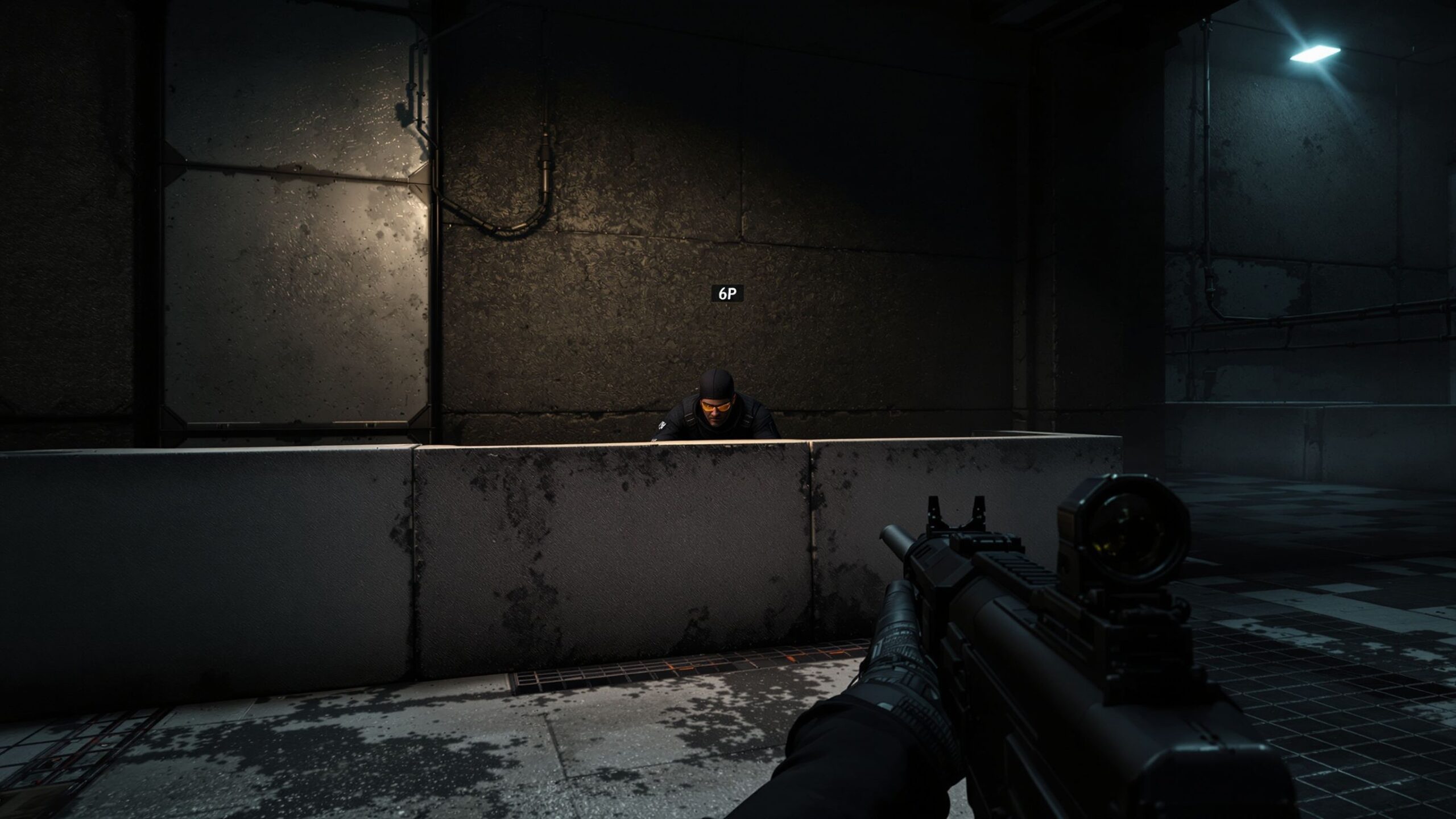
Tactical shooters occupy a unique space in gaming, blending precision mechanics with strategic depth. Unlike run-and-gun arcade shooters, tactical titles reward patience, teamwork, map knowledge, and disciplined decision-making. Whether you’re stepping into your first match or eyeing the competitive ranked ladder, understanding how these games work—and how players improve—can transform frustration into satisfaction. This beginner’s guide explores the mindset, skills, and progression path that carry players from casual matches to confident ranked performance.
A: Consistent short warm-ups, stable sensitivity, and focusing on crosshair placement over flicks.
A: Stop wide-swinging alone; use utility, peek with a teammate, and clear close angles first.
A: Yes—use casual to learn maps and mechanics, then ranked when you can communicate and stay calm.
A: Keep calls short: number of enemies, location, direction, and your plan (“2 mid, pushing B”).
A: Give info anyway, adapt your positioning, and play for trades—avoid arguing mid-round.
A: Overconfidence—respect close angles, don’t chase kills, and play the objective.
A: Mute toxicity, take a breath between rounds, and focus on one correction at a time.
A: Usually no—most players perform better with a controllable sens for steady tracking and micro-adjusts.
A: Support/anchor can be easiest early—learn comms and positioning before hard entry roles.
A: Play consistently, specialize your maps/roles, prioritize trades/objectives, and review mistakes weekly.
What Defines a Tactical Shooter?
At their core, tactical shooters emphasize realism-inspired mechanics and high-stakes engagements. Weapons are often lethal, recoil patterns matter, and positioning can decide a round before the first shot is fired. Information is currency: sound cues, utility usage, and teammate communication shape outcomes as much as aim. Rounds tend to be structured, with attackers and defenders, objectives to secure, and limited respawns. Every choice carries weight, which is why tactical shooters feel intense, deliberate, and deeply rewarding.
These games thrive on asymmetry and roles. Some players specialize in entry fragging, others in support, intel gathering, anchoring, or clutch situations. The diversity of playstyles ensures that improvement isn’t confined to reflexes alone. Tactical awareness, psychological resilience, and team synergy become just as vital.
The Beginner Experience: Expectation vs Reality
New players often arrive with habits formed in faster shooters. Sprinting into open sightlines, neglecting audio cues, or firing while moving can lead to quick eliminations. Tactical shooters can feel punishing at first because mistakes are rarely softened by instant respawns. Yet this difficulty is the gateway to mastery. Each defeat contains feedback, and each round offers a chance to apply lessons immediately.
Early frustration is normal. Veterans seem impossibly accurate, maps feel labyrinthine, and unfamiliar utility clouds judgment. But progress accelerates once players adopt a learning mindset. Rather than chasing highlight-reel plays, beginners benefit from focusing on survival, consistency, and understanding why engagements unfold the way they do.
Building the Right Mindset
Success in tactical shooters starts with mentality. Patience and composure outperform aggression without purpose. Treat rounds as puzzles rather than brawls. Ask yourself what information you have, what the enemy likely knows, and what risks are justified. Embrace discipline: holding angles, trading teammates, and respecting timing windows.
Equally important is resilience. Tactical shooters magnify pressure. A single missed shot or misused ability can swing momentum. Maintaining emotional stability—avoiding tilt, frustration, or blame—keeps decision-making sharp. Improvement emerges from reflective analysis, not reactive criticism.
Mastering Core Mechanics
Mechanical skill remains foundational. Precision aiming, recoil control, and movement discipline separate consistent players from erratic ones. In tactical shooters, firing accuracy often drops while moving, so learning to stop before shooting is essential. Crosshair placement—keeping your aim at head level and aligned with likely enemy positions—reduces reaction time dramatically.
Recoil patterns demand attention. Each weapon behaves predictably; practice transforms unpredictability into muscle memory. Sensitivity settings should allow both fine adjustments and swift turns. Many beginners benefit from lowering sensitivity slightly to stabilize micro-movements, though comfort and consistency matter most.
The Power of Map Knowledge
Maps are living ecosystems. Chokepoints, sightlines, rotations, and verticality shape strategy. Beginners who invest time exploring maps outside competitive pressure gain a significant advantage. Understanding common angles, hiding spots, and entry routes enhances both offense and defense.
Map knowledge also improves anticipation. Recognizing typical defender setups or attacker approaches informs utility usage and positioning. Over time, players develop an intuitive sense of timing—knowing when rotations are likely, when flanks are risky, and when patience is rewarded.
Communication and Team Dynamics
Tactical shooters are inherently cooperative. Clear communication multiplies effectiveness. Calling out enemy locations, coordinating pushes, and sharing information about abilities fosters cohesion. Even minimal communication—simple, concise updates—can elevate team performance.
Listening is as critical as speaking. Processing teammates’ calls enables faster reactions and smarter decisions. Respectful interaction sustains morale, while constructive feedback accelerates collective learning. Ranked environments especially reward players who cultivate synergy rather than individual heroics.
Understanding Roles and Playstyles
Every team thrives on complementary roles. Entry players initiate engagements, supports deploy utility, anchors defend sites, and lurkers control flanks. Beginners benefit from experimenting with different roles to understand team needs. Flexibility builds adaptability, a prized trait in both casual and ranked play.
Role awareness also clarifies priorities. A support player may value survival and utility timing over aggressive duels. An entry fragger may accept higher risk to create openings. Aligning decisions with role responsibilities enhances consistency and trust within the team.
Economy and Resource Management
Many tactical shooters incorporate an economy system governing weapon and ability purchases. Managing resources strategically—saving, force buying, or coordinating full buys—shapes momentum across rounds. Beginners often overlook economy implications, yet understanding these dynamics prevents mismatched gear and maximizes team strength.
Economy awareness influences tactics. A lightly equipped round may encourage conservative play or surprise strategies. A fully funded round may justify assertive map control. Mastery lies in aligning decisions with available resources rather than defaulting to routine.
Utility, Abilities, and Tactical Depth
Utility introduces layers of complexity. Smokes, flashes, drones, traps, or character-specific abilities reshape engagements. Effective utility usage creates opportunities, denies vision, gathers intel, or disrupts opponents. Beginners should prioritize learning fundamental uses rather than intricate lineups initially.
Timing and synergy define utility effectiveness. Coordinated flashes before entry, layered smokes for site control, or defensive traps for flanks amplify impact. As familiarity grows, players integrate utility seamlessly into their decision-making.
Practice Strategies That Actually Work
Improvement demands structured practice. Aim trainers refine precision, but in-game scenarios cultivate context. Deathmatch modes enhance mechanical consistency under pressure. Custom lobbies encourage map exploration and ability experimentation. Reviewing gameplay reveals patterns—hesitation, overexposure, or mispositioning—that practice can target directly.
Consistency trumps intensity. Short, focused sessions repeated regularly outperform sporadic marathons. Setting specific goals—improving crosshair placement, refining recoil control, enhancing communication—guides meaningful progress.
Transitioning From Casual to Competitive Play
Casual matches provide a sandbox for experimentation. Competitive modes, however, require heightened discipline. Strategies become deliberate, opponents coordinated, and mistakes costly. Transitioning successfully involves tightening fundamentals, clarifying communication, and embracing team-oriented thinking.
Preparation matters. Enter competitive play with stable settings, map familiarity, and emotional readiness. Recognize that ranked progression reflects long-term consistency rather than isolated brilliance.
Climbing the Ranked Ladder
Ranked play introduces visible progression, matchmaking tiers, and performance metrics. Advancement depends on impact, consistency, and adaptability. Focus on controllable factors: decision-making, teamwork, and steady improvement. Avoid obsessing over rank fluctuations; growth often appears uneven.
Adapting to higher tiers involves refining awareness. Opponents exploit predictable habits, so variability and creativity become assets. Balanced confidence—assertive yet grounded—supports sustainable advancement.
Dealing With Pressure and Performance Anxiety
Ranked environments amplify nerves. Players may experience hesitation, overthinking, or mechanical inconsistency. Managing pressure requires routine and perspective. Warm-ups stabilize mechanics, while reframing stress as excitement enhances focus.
Confidence emerges from preparation. Trusting practiced habits reduces cognitive overload. Accepting imperfection—understanding that even top players err—maintains composure during setbacks.
Common Beginner Mistakes
Many beginners struggle with overpeeking, neglecting sound cues, misusing utility, or chasing unnecessary duels. Recognizing these patterns accelerates correction. Tactical shooters reward restraint and calculated aggression. Survival, positioning, and teamwork often outweigh raw frag counts.
Learning involves awareness rather than self-criticism. Each mistake offers direction for improvement.
Developing Game Sense
Game sense encompasses intuition shaped by experience. Predicting enemy behavior, recognizing momentum shifts, and adapting strategies define advanced play. Beginners cultivate game sense by observing patterns, reflecting on outcomes, and studying engagements beyond surface mechanics.
Exposure to varied scenarios—different maps, roles, and team dynamics—enriches understanding. Over time, reactions become anticipatory rather than reactive.
Hardware, Settings, and Comfort
While skill remains paramount, comfortable hardware and optimized settings support performance. Stable frame rates, responsive peripherals, and ergonomic setups reduce distractions. Sensitivity, keybindings, and audio configurations should prioritize consistency and clarity.
Avoid constant tinkering. Frequent changes disrupt muscle memory. Once settings feel natural, commit to them.
The Social and Community Aspect
Tactical shooters foster vibrant communities. Cooperative learning, shared strategies, and team camaraderie enrich the experience. Engaging positively—seeking advice, practicing collaboratively, celebrating progress—transforms solitary improvement into collective enjoyment.
Healthy interaction sustains motivation. Gaming thrives when competition coexists with respect.
The Journey From Casual to Ranked
Tactical shooters offer one of gaming’s most satisfying growth arcs. The path from beginner uncertainty to ranked confidence unfolds through patience, structured practice, and resilient mindset. Mastery blends mechanics with awareness, discipline with creativity, and individual skill with team synergy. Every round becomes a canvas for decision-making. Every match contributes to understanding. Whether you aspire to climb ranks or simply savor the thrill of strategic competition, embracing the learning process unlocks the genre’s true depth.