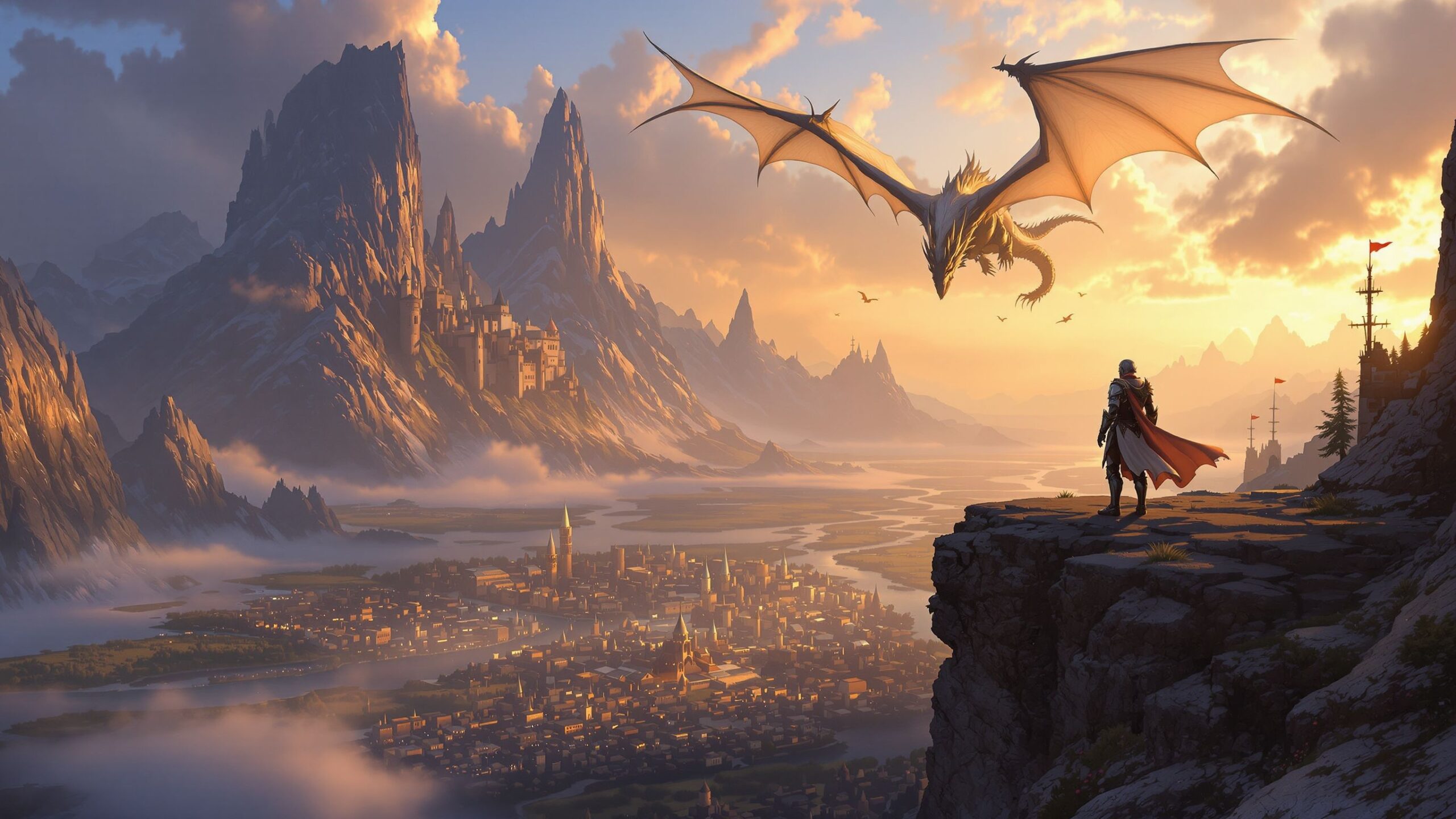
Open-world role-playing games have evolved into the defining force of modern gaming, shaping player expectations and redefining how digital experiences are built. Once considered ambitious and niche, these expansive titles now sit at the center of the industry, attracting millions of players across platforms. Their appeal lies not in a single feature, but in a powerful combination of freedom, immersion, storytelling, and technological innovation. Open-world RPGs do not simply present a game to be completed; they offer a world to inhabit, explore, and influence. This shift from structured gameplay to player-driven experiences has elevated the genre to dominance, making it one of the most influential and profitable categories in gaming today.
A: They combine freedom, exploration, progression, and storytelling into one highly immersive package.
A: Players can often choose where to go, what to do next, and how to build their character.
A: Not always; a smaller world can still feel powerful if it is dense, reactive, and full of meaningful content.
A: Good side content adds lore, rewards, emotional stakes, and fresh gameplay beyond the main campaign.
A: It helps players feel attached to their build, style, strengths, and role in the world.
A: Yes, because different choices, builds, and quest paths can make each playthrough feel different.
A: They create memorable, unscripted moments that players love to share online.
A: Yes, if the world feels repetitive or empty instead of purposeful and rewarding.
A: A mix of discovery, progression, narrative payoff, and the promise of hidden content.
A: They give players agency, and modern gamers increasingly want worlds that feel like theirs to shape.
Freedom and Player Agency Redefine Engagement
At the heart of open-world RPG dominance is the concept of player agency. Unlike traditional linear games, which guide players through predetermined paths, open-world RPGs provide the freedom to choose how, when, and why to engage with the game. This freedom transforms players into active participants rather than passive observers. Every decision, from dialogue choices to quest selection, contributes to a personalized experience that feels uniquely their own. This sense of control fosters deeper emotional investment. Players are no longer just completing objectives; they are crafting their own journeys. Whether choosing to follow the main storyline or wandering into unexplored territory, the game adapts to the player’s pace and preferences. This flexibility creates a powerful sense of ownership that keeps players engaged for extended periods.
Living Worlds That Encourage Exploration
Open-world RPGs excel at building environments that feel alive and dynamic. These worlds are designed to reward curiosity, encouraging players to explore beyond the main objectives. Every corner of the map holds potential discoveries, from hidden quests to environmental storytelling elements that enrich the experience. The sense of scale in these games is often breathtaking, offering vast landscapes filled with diverse ecosystems, cities, and characters. Day-night cycles, weather systems, and evolving environments contribute to the illusion of a living world. Non-playable characters follow routines, react to player actions, and participate in the world in believable ways. This attention to detail transforms the game environment into something more than a backdrop; it becomes a character in its own right. Exploration becomes a core gameplay loop, driven not by obligation but by genuine curiosity.
Deep Progression Systems Create Long-Term Investment
Another key factor in the dominance of open-world RPGs is their intricate progression systems. Players are given the ability to shape their characters through skill trees, equipment choices, and playstyle preferences. This customization allows for a wide range of approaches, from combat-focused builds to stealth-oriented strategies or dialogue-driven interactions. The progression system provides a constant sense of growth. Each level gained, skill unlocked, or item acquired reinforces the player’s sense of achievement. This ongoing development creates a compelling feedback loop that encourages continued play. Unlike shorter games with limited progression, open-world RPGs offer long-term engagement. Players invest time into developing their characters, and that investment strengthens their connection to the game.
Non-Linear Storytelling Expands Narrative Possibilities
Storytelling in open-world RPGs differs significantly from traditional narrative structures. Instead of a fixed storyline, these games offer branching narratives that adapt to player choices. The story unfolds in a way that reflects the player’s decisions, creating a more personalized and immersive experience. Side quests often carry as much depth and significance as the main storyline, adding layers to the narrative. Players can choose which stories to engage with and in what order, allowing them to shape their own version of the game’s world. This non-linearity increases replayability. Each playthrough can reveal new storylines, outcomes, and character interactions. The game becomes a platform for storytelling rather than a single, static narrative, ensuring that players continue to find value even after completing the main quest.
Technology Enables Expansive and Seamless Experiences
The rise of open-world RPGs is closely tied to advancements in gaming technology. Modern hardware allows developers to create massive, detailed worlds without sacrificing performance. Improved graphics, faster processing power, and advanced rendering techniques have made it possible to deliver highly immersive environments. Seamless world design has become a defining feature. Players can travel across vast landscapes without encountering loading screens, maintaining immersion throughout their journey. Artificial intelligence has also improved significantly, allowing for more realistic character behaviors and interactions. Enemies adapt to player strategies, and NPCs respond dynamically to events within the game world. These technological advancements have transformed open-world RPGs from ambitious concepts into fully realized experiences that push the boundaries of what games can achieve.
Changing Player Expectations Drive Popularity
Modern players expect more from their gaming experiences than ever before. They seek depth, freedom, and meaningful engagement, all of which open-world RPGs provide. As the industry has evolved, player expectations have shifted away from linear gameplay toward more expansive and interactive experiences. Open-world RPGs meet these expectations by offering a wide range of activities and choices. Players can engage in combat, exploration, crafting, and storytelling within a single game. This variety ensures that the experience remains fresh and engaging over time. The success of open-world RPGs has influenced other genres as well. Many games now incorporate open-world elements, even if they are not traditional RPGs. This widespread adoption further solidifies the genre’s dominance.
Exploration as a Core Gameplay Experience
Exploration is not just a feature in open-world RPGs; it is the foundation of the experience. Players are encouraged to venture beyond the main storyline, discovering hidden locations, encountering unexpected events, and uncovering secrets. This sense of discovery is one of the most compelling aspects of the genre. Unlike linear games, where progression is tied to completing specific objectives, open-world RPGs reward curiosity. Players can spend hours exploring the world without advancing the main story, yet still feel a sense of accomplishment. This freedom to explore at one’s own pace creates a more relaxed and enjoyable experience. The unpredictability of exploration keeps players engaged, as they never know what they might find next.
Social Influence and Cultural Impact
Open-world RPGs have become cultural phenomena, influencing not only the gaming industry but also broader entertainment media. These games generate discussions, fan communities, and shared experiences that extend beyond the game itself. Players share their stories, discoveries, and achievements, creating a sense of community. Streaming and content creation have further amplified their impact. Watching others explore open worlds and make unique choices adds another layer of engagement. These games are not just played; they are experienced collectively. The influence of open-world RPGs can also be seen in other forms of media. Their approach to storytelling, world-building, and character development has inspired movies, television shows, and other interactive experiences.
Longevity and Value Keep Players Invested
One of the most practical reasons for the success of open-world RPGs is their longevity. These games offer extensive content, providing significant value for players. With dozens or even hundreds of hours of gameplay, they justify their cost and keep players engaged over long periods. Post-launch support further enhances their longevity. Developers often release updates, expansions, and additional content that expand the game world and introduce new experiences. This ongoing support keeps the game relevant and encourages players to return. The ability to revisit a game and discover new content adds to its appeal. Open-world RPGs are not one-time experiences; they are ongoing journeys that evolve over time.
Emotional Connection Enhances Immersion
Open-world RPGs excel at creating emotional connections between players and the game world. Through meaningful choices, compelling characters, and immersive storytelling, these games draw players into their narratives on a deeper level. Players often form attachments to characters and outcomes, making their decisions feel significant. The sense of ownership over the story strengthens this connection. Players are not simply observing events; they are shaping them. This involvement creates a more memorable experience, as the outcomes reflect the player’s actions and choices. Emotional engagement is a key factor in the lasting impact of open-world RPGs. These games stay with players long after they have finished playing, reinforcing their dominance in the industry.
Genre Blending Broadens Appeal
Open-world RPGs often incorporate elements from multiple genres, creating a diverse and engaging experience. Combat systems, crafting mechanics, exploration, and narrative choices are combined into a single cohesive experience. This blending of genres broadens the appeal of open-world RPGs. Players who may not typically enjoy traditional RPGs can still find aspects that resonate with them. The variety of gameplay ensures that there is always something new to experience, preventing the game from becoming repetitive. This versatility makes open-world RPGs accessible to a wide audience. By offering multiple ways to engage with the game, they cater to different playstyles and preferences, further contributing to their widespread popularity.
The Future of Open-World RPGs Continues to Expand
The future of open-world RPGs is filled with potential. As technology continues to advance, developers are exploring new ways to enhance immersion and interactivity. Artificial intelligence is expected to play a larger role, creating more dynamic and responsive worlds. Procedural generation and advanced physics systems may allow for even greater scale and complexity. Virtual reality and other emerging technologies could further deepen the sense of immersion, allowing players to experience open worlds in entirely new ways. The integration of online features is also expanding, with shared worlds and cooperative gameplay becoming more common. These innovations suggest that open-world RPGs will continue to evolve and dominate the gaming landscape for years to come.
Conclusion: A Genre That Defines Modern Gaming
Open-world RPGs dominate modern gaming because they align perfectly with what players want: freedom, immersion, and meaningful experiences. They offer a level of depth and engagement that few other genres can match, creating worlds that players can explore and shape in their own way. Their success is driven by a combination of technological innovation, evolving player expectations, and a commitment to creative storytelling. These games are not just forms of entertainment; they are experiences that resonate on a personal level. As the industry continues to evolve, open-world RPGs remain at the forefront, setting the standard for what games can achieve and defining the future of interactive entertainment.