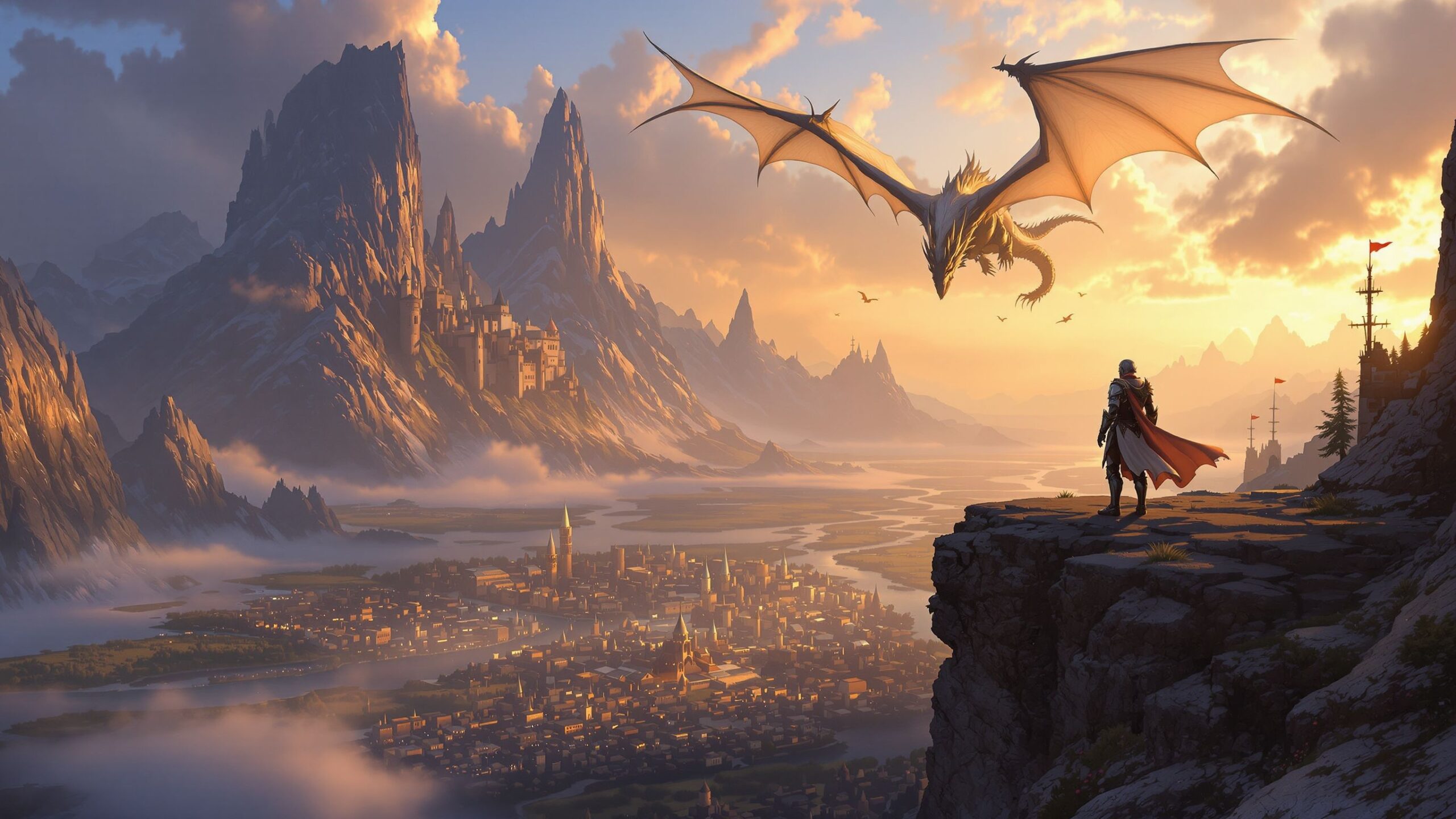
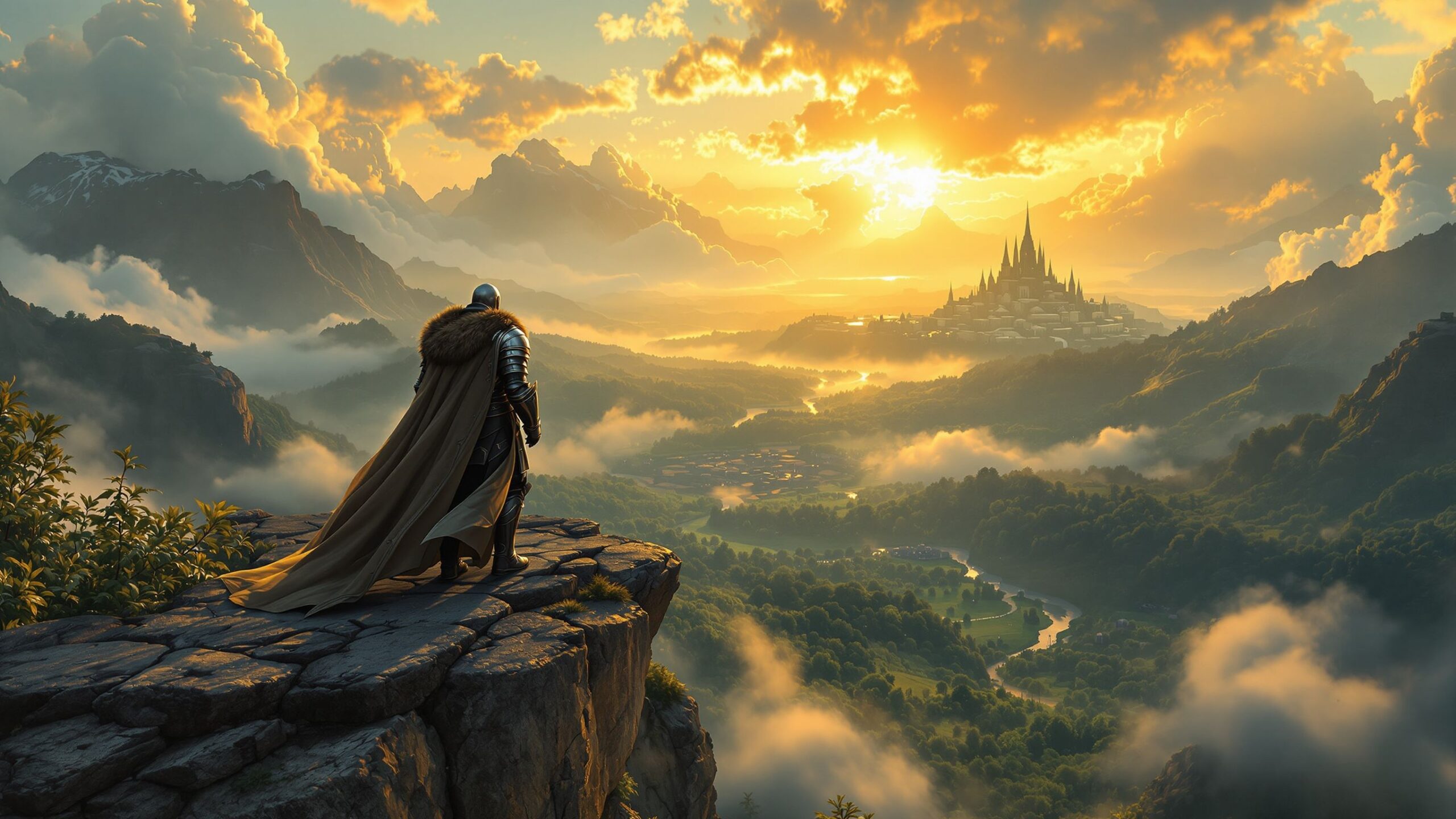
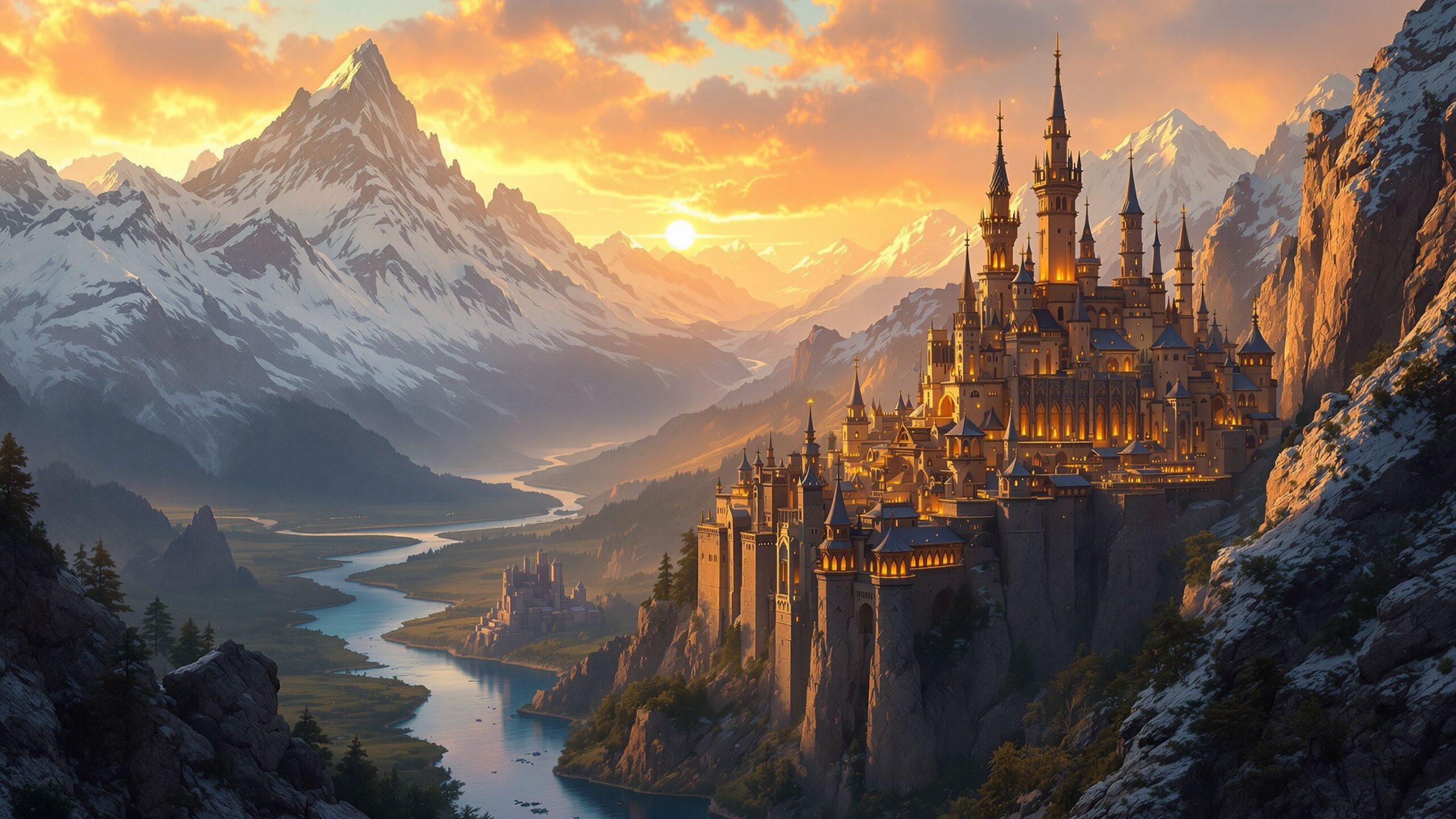
Role-playing games do something few other genres can achieve: they build worlds that feel truly alive. These universes aren’t just settings—they’re homes for unforgettable characters, histories, myths, politics, and cultures that players return to again and again. RPG worlds invite us to step into lives not our own, make choices that alter destinies, and explore landscapes shaped by centuries of lore. The best RPG settings stay with us long after we finish the story, lingering in memory like places we’ve actually traveled. From high fantasy kingdoms to futuristic dystopias, from hand-crafted worlds steeped in legend to cosmic odysseys filled with mystery, the following RPG universes represent the finest world-building the genre has ever produced. Each one shaped the gaming landscape in a meaningful way, leaving a legacy that continues to influence modern storytelling and design.
A: Begin with accessible worlds like The Witcher 3 on story mode, Skyrim, or Mass Effect for clear heroes and strong narratives.
A: Memorable locations, consistent lore, strong characters, and choices that make the universe feel reactive and personal.
A: It helps for context, but many titles—like Witcher 3 and Skyrim—stand alone and welcome new players.
A: They can be big, but modern RPGs usually offer quest tracking, difficulty options, and guided main paths to keep you oriented.
A: Main stories can run 20–40 hours, while full exploration of iconic worlds can easily stretch past 100 hours.
A: Many RPGs allow lower difficulty, dialogue-heavy builds, or pacifist-leaning choices that emphasize narrative over challenge.
A: Yes—titles like Final Fantasy XIV and The Elder Scrolls Online evolve over time, adding new lands and story arcs regularly.
A: Try sci-fi or urban worlds like Mass Effect, Cyberpunk 2077, or Persona for different flavors of RPG universes.
A: In many top RPGs, major decisions shift alliances, endings, and even which areas or characters you can access.
A: Because they feel like second homes—places full of memories, favorite quests, and characters you want to revisit again and again.
The Continent – The Witcher Series
Dark, brutal, morally complex, and hauntingly atmospheric, the Continent stands as one of the most richly developed RPG worlds ever built. Its medieval landscapes burst with gritty realism, shaped by politics, war, folklore, and monster-ridden wilderness. Every forest hides a curse, every village harbors secrets, and every kingdom teeters on the edge of catastrophe.
What sets the Witcher’s world apart is its lived-in feeling. Its characters behave like people shaped by harsh realities, and its monsters feel like products of real folklore rather than fantasy clichés. Choices carry weight, consequences echo throughout regions, and even the smallest quests reveal layers of culture and tragedy. Few RPG worlds feel as raw, dangerous, and emotionally layered as the Continent.
Tamriel – The Elder Scrolls Series
Tamriel remains one of the most iconic RPG settings of all time, a sprawling fantasy continent bursting with mystical cultures, ancient prophecies, and legendary histories. Each province—from snowy Skyrim to exotic Elsweyr to magical Summerset—feels distinct, shaped by unique traditions, landscapes, and philosophies.
Part of Tamriel’s power lies in player-driven exploration. Books fill libraries with lore, ruins whisper forgotten secrets, and NPCs carry their own beliefs and biases. The player’s role as wandering adventurer turns each discovery into a personal story. Tamriel doesn’t just invite exploration—it demands it, promising infinite adventures across its ever-expanding mythology.
The Lands Between – Elden Ring
A collaboration between Hidetaka Miyazaki and George R. R. Martin, the Lands Between is a masterclass in atmospheric world-building. Its sweeping fields, haunted ruins, and colossal demigods create a landscape that feels ancient, mysterious, and mythic. Every location is deliberate, layered with symbolism, tragedy, and a strange ethereal beauty.
What makes the Lands Between extraordinary is its non-linear openness. Players shape their own journey through its cryptic story, discovering lore through environmental clues, fragmented dialogues, and visual storytelling. It is a world built for curiosity and interpretation—a labyrinth of mythological echoes that rewards every step deeper.
The Galaxy – Mass Effect Trilogy
Few sci-fi RPGs have ever matched the cultural impact of Mass Effect. This universe is a triumph of interstellar world-building, featuring species with rich traditions, political tensions, shared histories, and believable motivations. From the neon-washed streets of the Citadel’s wards to the deserts of Tuchanka to the shimmering oceans of Ilium, every corner of the Mass Effect galaxy feels purposeful.
What elevates this world is its sense of unity. The trilogy’s choices shape the course of civilizations, turning player actions into galactic consequences. Mass Effect doesn’t just give players a universe—it makes them responsible for it, fostering emotional connections that are rare in gaming.
Hyrule – The Legend of Zelda Series
Hyrule stands as gaming’s most iconic fantasy world. Its kingdoms, mountains, and temples have evolved countless times, each incarnation offering a new artistic interpretation rooted in timeless mythology. The world’s sense of cyclical destiny—heroes, princesses, calamities—creates an enduring tapestry that spans generations.
Whether lush and colorful or dark and apocalyptic, Hyrule always feels magical. Its blend of mystery, culture, and adventure makes exploration irresistible. From the sprawling fields of Ocarina of Time to the wild open air of Breath of the Wild, Hyrule remains one of gaming’s greatest playgrounds of imagination.
Faerûn – Baldur’s Gate Series / Dungeons & Dragons
Faerûn stands at the crossroads of classic fantasy and deep, tabletop-driven lore. As part of the Forgotten Realms, it offers a stunning wealth of cultures, regions, deities, and magical traditions shaped over decades. Cities like Baldur’s Gate, Waterdeep, and Neverwinter feel like storied hubs of adventure and intrigue.
What makes Faerûn so compelling is its adaptability. Whether players explore it through CRPGs, tabletop campaigns, or narrative spin-offs, its world feels flexible and responsive. It is a setting built for adventure—dangerous, diverse, filled with mysteries—and one of the most influential RPG worlds ever forged.
The Northern Kingdoms & Nords – Skyrim
Though technically part of Tamriel, Skyrim deserves its own spotlight. Its rugged mountains, Nordic culture, ancient barrows, dragon-infused lore, and atmospheric cold wilderness create one of the most immersive fantasy landscapes ever constructed.
Skyrim’s world stands out for its presence: howling winds, snowy peaks, auroras swirling overhead, and ruins whispering ancient conflicts. This is a land where nature, magic, and legend collide—one that players can lose themselves in for hundreds of hours.
The Wasteland – Fallout Series
Post-apocalyptic worlds often blend together, but the Fallout universe stands as a uniquely stylized, retro-futuristic wasteland shaped by 1950s Americana, nuclear paranoia, and dark humor. Its vaults, factions, mutants, and irradiated ruins create a world of tragic charm and biting satire.
Fallout’s world-building shines through its environmental storytelling. Abandoned homes, makeshift camps, broken robots, and old terminals narrate stories of hope, desperation, and survival. The Wasteland is grim, but never empty—its history echoes in every corridor and crater.
Thedas – Dragon Age Series
Thedas is a world steeped in political tension, ancient magic, dragons, and deeply conflicting cultures. From the Chantry’s religious control to the mage-templar war to elven history and Qunari philosophy, this world is built on ideological conflict as much as fantasy spectacle.
Its richness comes from its people. Every region feels shaped by centuries of struggle, prejudice, warfare, and belief systems. Thedas thrives on its complexity—morality is never simple, and every city, dungeon, and forest feels shaped by competing worldviews.
Night City – Cyberpunk 2077
Though controversial at launch, the world of Night City has since been recognized as one of the most immersive open-world environments in gaming. Pulsating neon lights, soaring mega-structures, and a constant hum of danger create a dystopian setting full of intrigue and technological consequences.
Its strength lies in its verticality and density. Night City feels alive, chaotic, and unpredictable—its alleys, markets, nightclubs, and corporate towers overflowing with culture and corruption. The city itself is the game’s greatest character.
Eorzea – Final Fantasy XIV
Eorzea is one of the most vibrant MMO worlds ever created, filled with diverse nations, astonishing landscapes, and an emotionally gripping storyline that continues to grow with each expansion. It balances high fantasy with grounded human stories, combining classic RPG charm with modern narrative sophistication.
What elevates Eorzea is community and continuity. The world evolves as the story progresses, allowing players to witness political shifts, wars, alliances, and the rise and fall of empires.
Why These Worlds Endure
The greatest RPG worlds endure because they resonate on every level—emotionally, visually, narratively, and mechanically. They feel like real places shaped by real forces, inviting players to live, explore, and leave their mark. These universes continue to inspire future games, stories, and entire franchises because they demonstrate the extraordinary power of world-building. Great RPG worlds aren’t simply settings—they are journeys, memories, and legends that stay with us forever.