Why the Best Retro Games Still Matter
The best retro video games of all time are not museum pieces. They are games whose ideas still move through modern design, speedruns, remakes, collections, fan conversations, and the basic language players use when they talk about genres. Some are famous because they saved a platform or defined a mascot. Others matter because they solved problems of movement, combat, level design, competition, or atmosphere with tools that now look technically limited but still feel sharp. This ranking values influence, playability, historical weight, and whether the game remains understandable to someone who sits down with it today.
10. Street Fighter II
Street Fighter II belongs on any retro list because it turned competitive fighting games into a shared language. Special moves, character matchups, spacing, counters, combos, and arcade rivalries all became easier to understand through its structure. It made one-on-one competition feel theatrical without losing mechanical precision.
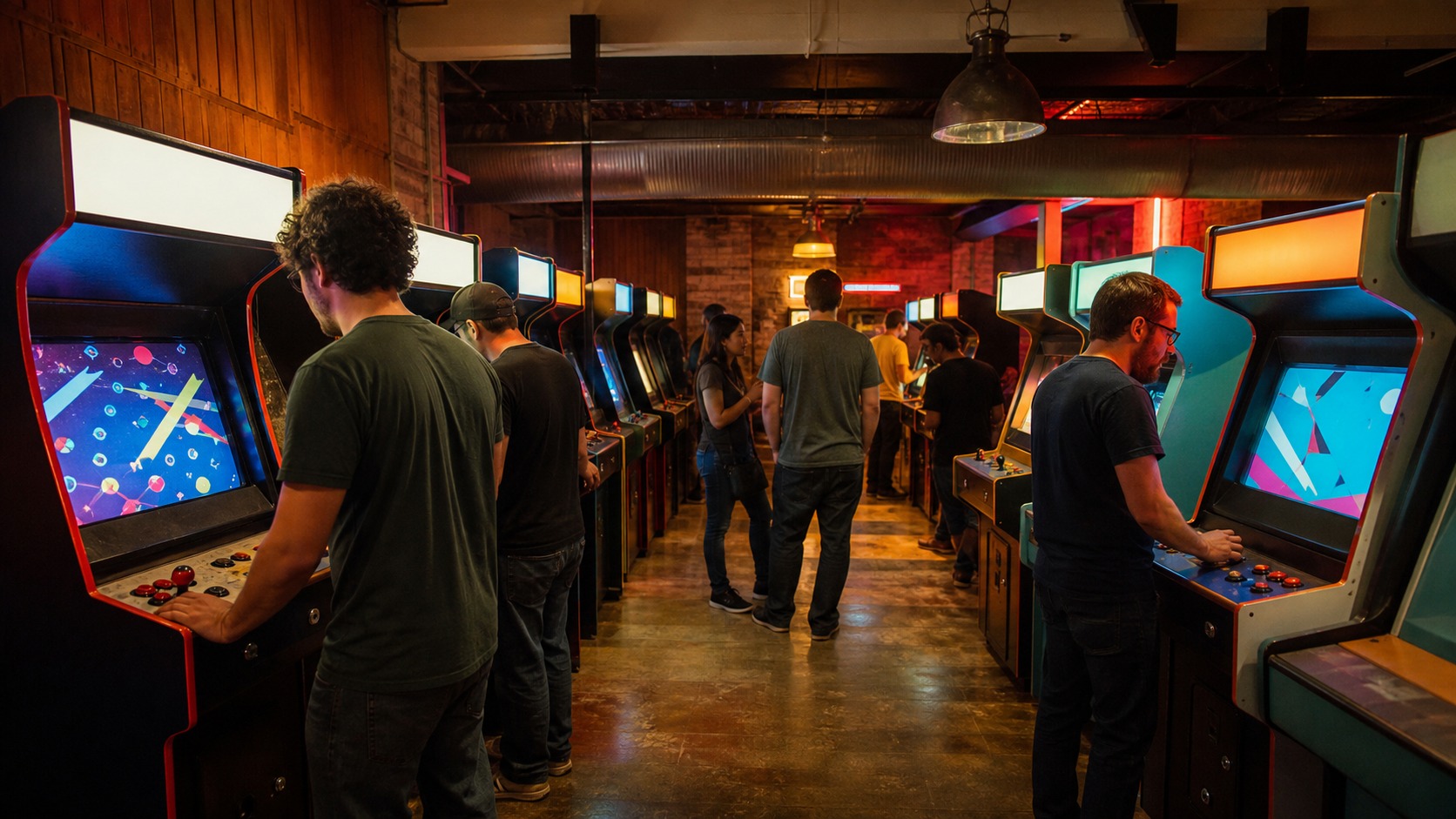
The game also helped define the social power of arcades. A cabinet was not only a machine; it was a challenge board, a crowd magnet, and a lesson in humility. Players learned by losing to better players standing a few feet away.
Its influence is still visible whenever a modern fighting game teaches footsies, zoning, character identity, or the thrill of a final-round comeback. Street Fighter II is not here only because it was popular. It is here because it gave an entire genre its grammar.
It also made character choice feel like identity. Picking a fighter meant choosing range, rhythm, personality, and a plan for how to control the screen. That sense of ownership remains central to fighting games today.
9. Sonic the Hedgehog 2
Sonic the Hedgehog 2 captured speed as personality. The best stages are not just fast; they are built around rhythm, slopes, springs, loops, hazards, and moments where control feels barely held together in the most exciting way.
It also gave Sega's mascot rivalry real force. Sonic was not simply a different platform character. He represented attitude, velocity, color, and a more arcade-like sense of momentum. That identity made the game feel unmistakable in its era.
The ranking rewards Sonic 2 because it remains one of the cleanest examples of character and level design reinforcing each other. When the stage opens up and the music hits, the game still communicates exactly who Sonic is supposed to be.
It is not flawless, because speed can sometimes outrun fairness, but that tension is part of the series identity. Sonic 2 earns its place by making momentum feel like a promise, even when the player has to learn how to hold it.
8. Tetris
Tetris may be the purest design on this list. Falling pieces, rotating shapes, clearing lines, rising pressure, and the constant search for order create a loop that is almost impossible to exhaust. It does not need story, characters, or spectacle.
Its genius is that every player understands both the goal and the failure. A bad stack is visible. A good recovery feels earned. The game turns spatial anxiety into satisfaction with a clarity few designs have matched.
Tetris also travels across hardware better than almost any other retro game. Handheld, arcade, console, computer, or phone, the central idea survives. That portability is part of its greatness, because the design is strong enough to live almost anywhere.
It is also one of the rare games that can feel meditative and stressful at the same time. The player is building order while knowing disorder is inevitable. That emotional contradiction is why the loop never really gets old.
7. The Legend of Zelda: A Link to the Past
A Link to the Past refined action-adventure design into a form that still feels elegant. Its overworld, dungeons, tools, secrets, bosses, and light-world dark-world structure created a sense of place and progression that later games continued to study.
The game is especially strong because its world feels dense rather than bloated. A cracked wall, strange cave, suspicious bush, or unreachable ledge can become a promise. Exploration is not random wandering; it is a conversation between curiosity and memory.
Its place on this ranking comes from how complete it feels. Many retro games are historically important but rough to revisit. A Link to the Past still plays with confidence, pacing, and grace.
The item design is especially important. A new tool is not only a key for one lock; it changes how the player thinks about the world. That relationship between equipment and exploration became one of Zelda's most enduring pleasures.
6. Doom
Doom changed the energy of action games. Its speed, level layouts, weapons, demons, sound, and modding culture made first-person combat feel immediate in a way that shaped decades of shooters.
The game remains powerful because it understands motion. Strafing, dodging projectiles, managing space, and choosing weapons give combat a dance-like rhythm. It is less about hiding behind cover and more about reading a room while moving through danger.
Doom also matters because of what players did with it. Custom maps and mods extended its life and helped normalize the idea that communities could reshape games. Its retro importance is technical, mechanical, and cultural all at once.
It also remains surprisingly readable. The monsters have clear silhouettes, the weapons have distinct jobs, and the levels pull players through danger with a sense of momentum. That clarity is why Doom still feels playable rather than merely historically impressive.
5. Chrono Trigger
Chrono Trigger is one of the most beloved retro RPGs because it combines pace, charm, music, combat, and time-travel storytelling with unusual discipline. It feels grand without becoming padded.
The battle system keeps encounters visible and energetic, while the cast gives the journey warmth. Time periods feel distinct, but the game never loses track of momentum. It is approachable in a way many older RPGs are not.
Its reputation endures because it respects the player's time. Side content feels meaningful, endings reward curiosity, and the story moves with confidence. Chrono Trigger proves that a classic RPG can be sweeping and concise at the same time.
The game also benefits from a rare creative alignment. Its art, music, battle pacing, character arcs, and time-travel structure all support the same adventurous tone. Many RPGs are remembered for one standout element; Chrono Trigger is remembered because so many elements still fit together.
4. Super Mario Bros. 3
Super Mario Bros. 3 is one of the great demonstrations of variety in platform design. It keeps introducing suits, map paths, enemy patterns, secrets, airships, auto-scrollers, and strange one-off ideas without losing its simple running and jumping core.
The game feels generous because so many stages have a distinct trick. One level may be about vertical climbing, another about giant enemies, another about water control, another about a frantic airship. The player is constantly being refreshed.
Its historical role is enormous, but the reason it ranks this high is playability. Super Mario Bros. 3 still feels clear, lively, and inventive. It is retro design with a modern sense of pacing before that phrase really existed.
The overworld map also changed how players experienced progression. It made the journey feel like a sequence of choices and discoveries rather than a straight line of stages. That small framing device gave the whole game a larger sense of adventure.
3. Super Metroid
Super Metroid is a masterclass in atmosphere, exploration, and silent guidance. Zebes feels lonely, hostile, and interconnected, yet the game quietly teaches players how to read its rooms, routes, upgrades, and environmental clues.
Its brilliance is restraint. It does not need constant dialogue to build tension. A locked door, strange block, hidden passage, or music shift can communicate danger and possibility. The player learns to think like an explorer.
The game also helped define the Metroidvania vocabulary that indie and major studios still use. Backtracking becomes discovery rather than repetition because each new ability changes what the world means. Super Metroid remains one of the best examples of place as design.
Its opening and ending also show how cinematic a quiet game can be. Without overloading the player with text, it builds dread, vulnerability, and eventual power. That emotional arc gives the exploration more weight than map completion alone.
2. The Legend of Zelda: Ocarina of Time
Ocarina of Time translated Zelda into 3D with astonishing confidence. Lock-on targeting, dungeon structure, horseback travel, time shifts, music, items, and cinematic presentation all helped define how action-adventure games could work in three dimensions.
Its influence is difficult to overstate. Many later games learned from its camera solutions, combat focus, puzzle rooms, and sense of stepping into a larger world. It made 3D adventure feel legible during a period when many series struggled with the transition.
It also remains emotionally powerful because its world carries a clear before-and-after. Childhood, adulthood, loss, return, and memory are built into the structure. Ocarina of Time is historically important, but it is also still mythic in the way players remember it.
Some parts show their age, especially by modern camera and interface standards, but the leap it made remains astonishing. It gave players a template for 3D adventure when the medium was still learning how to move through space.
1. Super Mario World
Super Mario World takes the top spot because it represents platforming at its most graceful. Movement, secrets, exits, Yoshi, cape flight, world-map routes, ghost houses, castles, and hidden paths all work together with remarkable ease.
The game is friendly without being shallow. New players can enjoy the main route, while curious players discover alternate exits, Star Road, Special Zone, and the joy of breaking stages open through mastery. It rewards both comfort and skill.
What makes Super Mario World the best retro video game of all time is how alive it still feels. The controls are supple, the levels are readable, and the secrets make the world feel larger than the cartridge should allow. It is historical, influential, and still simply fun.
That last quality matters most. Many games are important because they changed the industry, but Super Mario World is important and welcoming at the same time. It can carry nostalgia, design analysis, casual play, and mastery without collapsing under any one of them.
How to Read a Retro Ranking
Any all-time retro ranking is partly an argument about what deserves to last. Some players value technical breakthroughs, some value nostalgia, some value pure playability, and some value how much later games borrowed from the original.
This list leans toward games that still communicate strongly today. A retro classic should not need an apology before someone plays it. It may show its age, but the central design should remain visible through that age.
That is why these ten games stand together. They shaped platformers, puzzle games, shooters, RPGs, fighting games, action-adventures, and exploration games, but they also remain playable lessons in clarity. The past still works when the design is this strong. Good retro design keeps teaching long after the hardware fades away completely today.