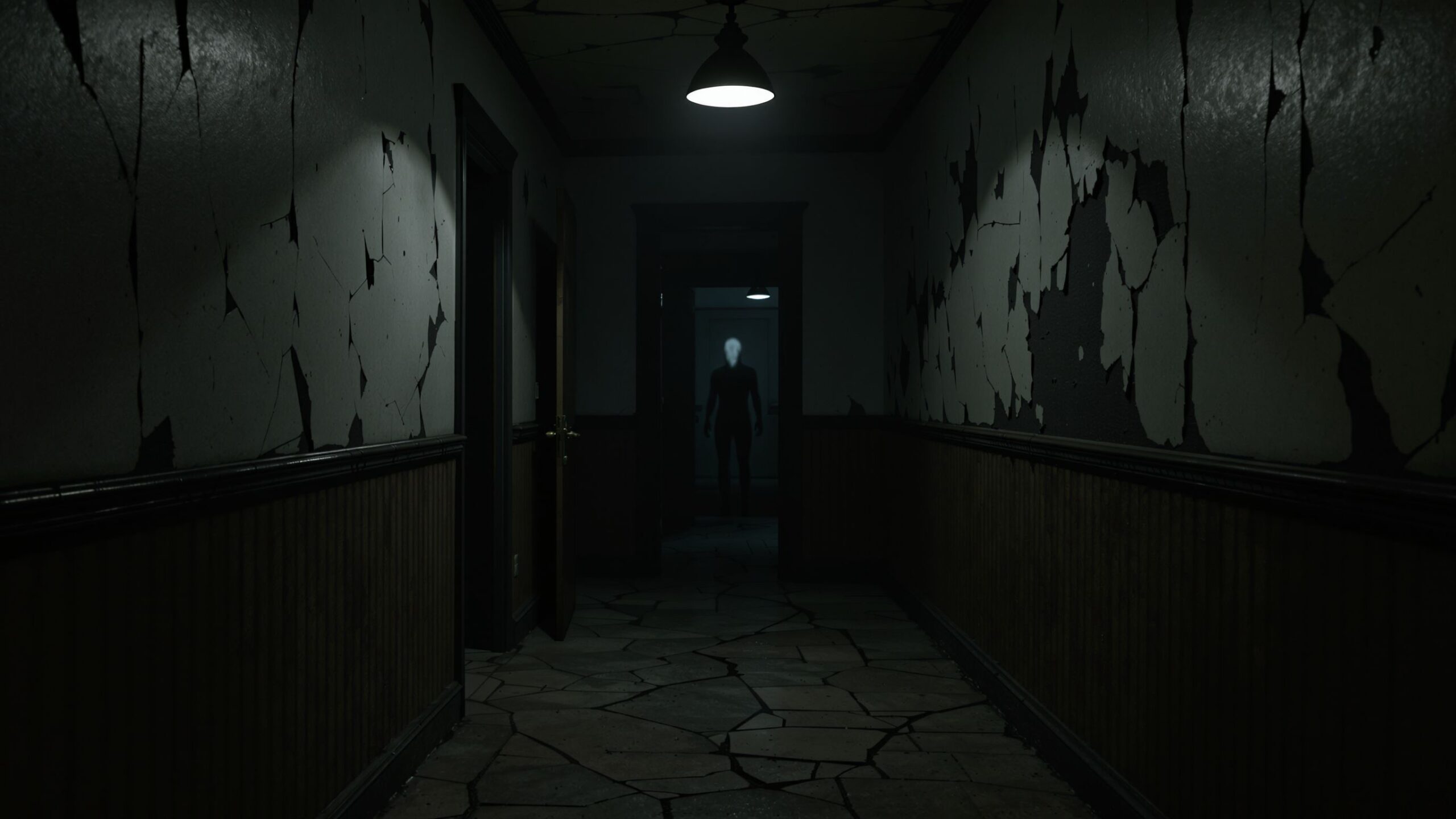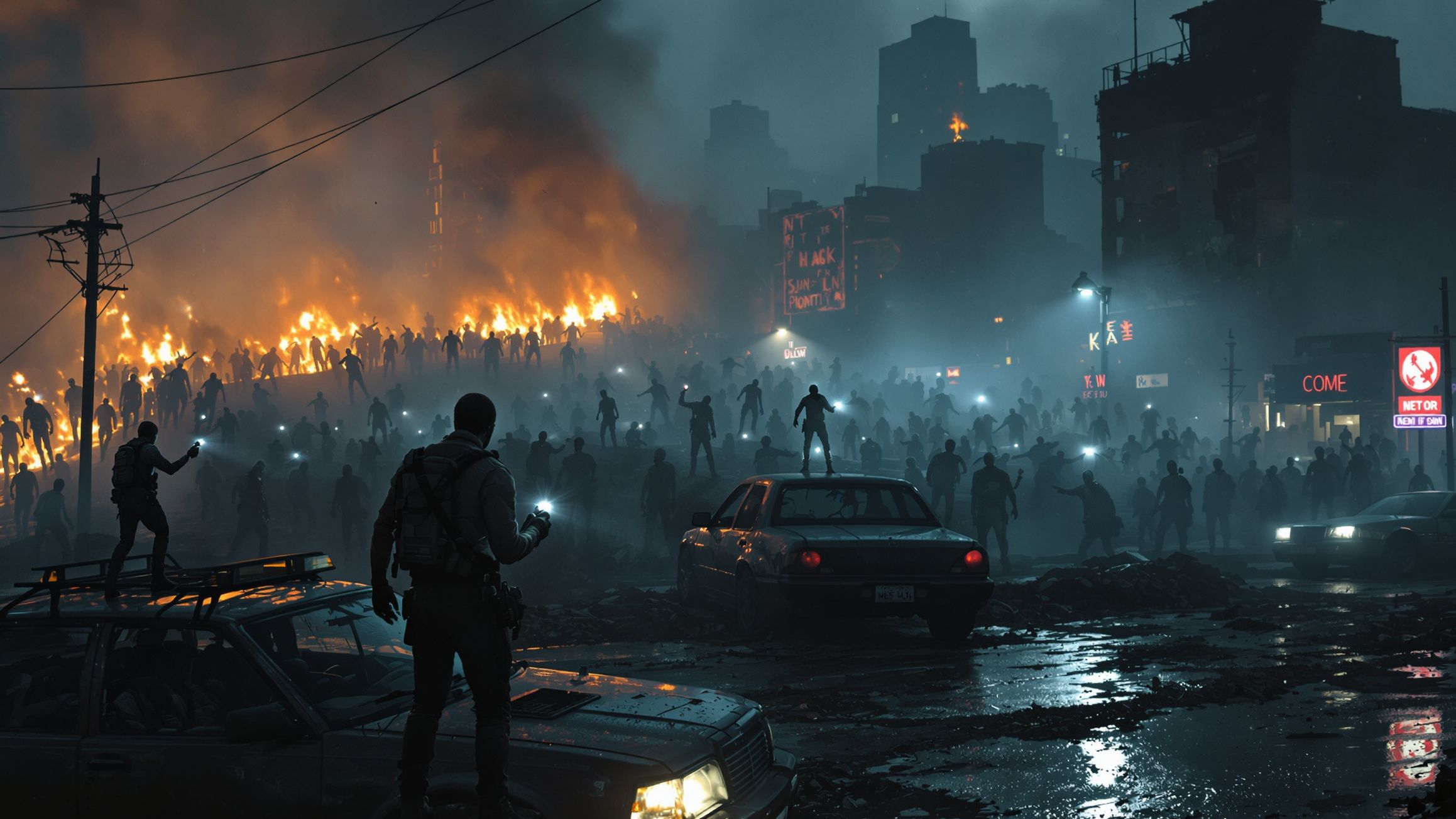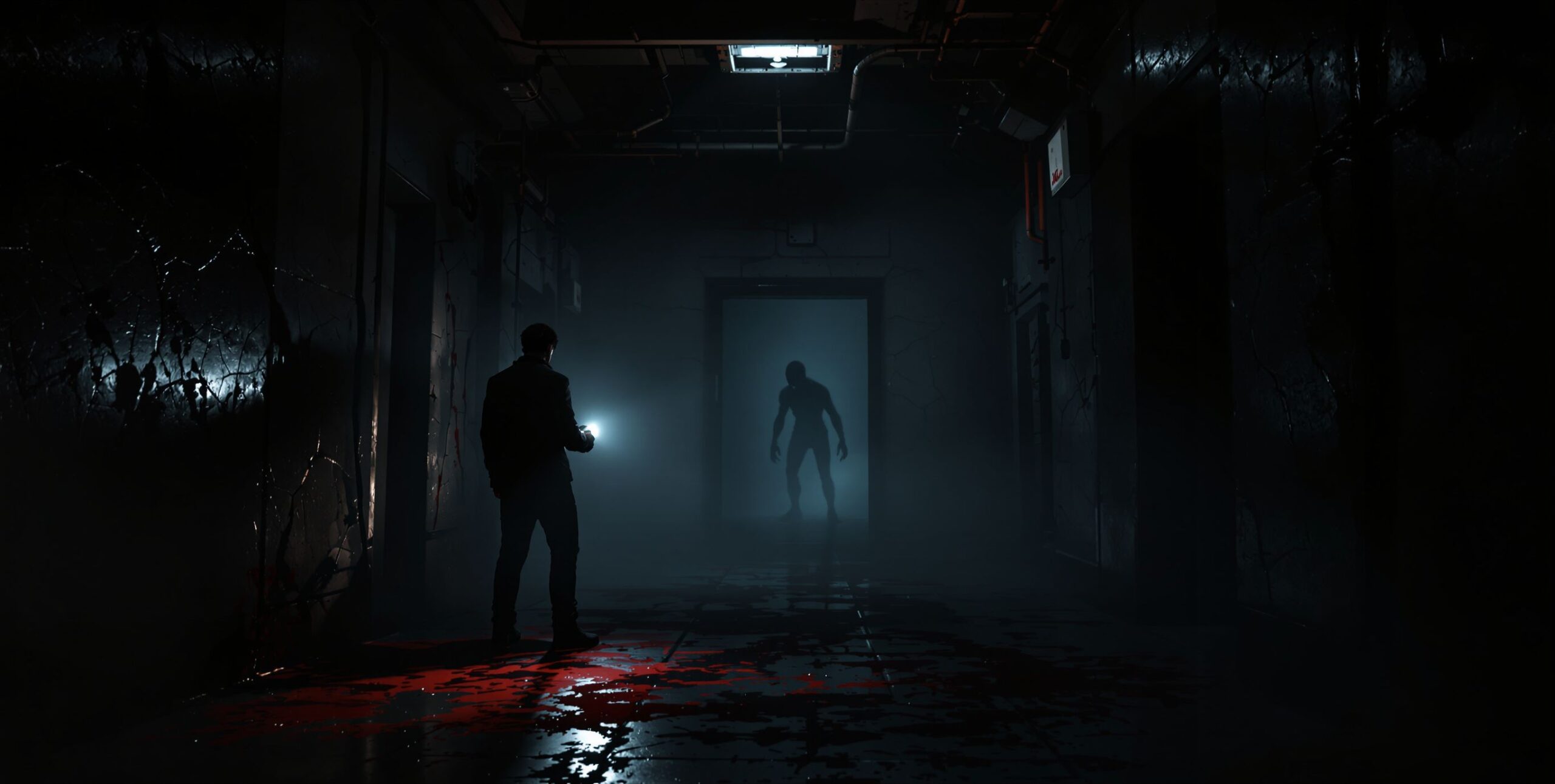
Survival horror is not just a genre—it is a test of nerve, instinct, and endurance. Unlike traditional horror experiences, survival horror games place players in situations where every resource matters, every sound could signal danger, and every decision could mean life or death. It is the genre that strips away power and replaces it with vulnerability, forcing players to confront fear head-on. Over the years, certain titles have risen above the rest, delivering experiences so intense that they redefine what it means to be truly afraid.
A: Survival horror focuses on limited resources, vulnerability, scary environments, puzzles, and tense enemy encounters.
A: Many players choose Silent Hill 2, Alien: Isolation, Resident Evil 7, Dead Space, or Amnesia.
A: Resident Evil 2 Remake is a great starting point because it balances fear, puzzles, combat, and exploration.
A: Silent Hill 2 is one of the strongest choices for psychological dread and symbolic storytelling.
A: Alien: Isolation and Outlast are excellent choices because they make players feel hunted and unsafe.
A: Some are challenging because ammo, healing items, saves, and inventory space must be managed carefully.
A: Yes. Classic controls, fixed cameras, and slower pacing can make older horror games even more tense.
A: Yes. Headphones make footsteps, whispers, music shifts, and enemy sounds much more frightening.
A: Silent Hill 2, Alien: Isolation, Dead Space, and Signalis are often praised for unforgettable atmosphere.
A: Survival horror emphasizes fear, scarcity, and vulnerability, while action horror usually gives players more weapons and control.
What Defines Survival Horror at Its Core
At its heart, survival horror is about limitation. Limited ammunition, limited health, and limited knowledge of what lies ahead. These constraints create tension that builds steadily, turning even the simplest task—like opening a door—into a moment filled with dread. Unlike action-heavy games, survival horror thrives on pacing. It slows players down, forcing them to think, to listen, and to anticipate.
Atmosphere is another critical element. Lighting, sound design, and environmental storytelling work together to create worlds that feel alive with danger. The best survival horror games don’t just show fear—they make players feel it through isolation and uncertainty. When combined with strong narratives and unforgettable enemies, the result is an experience that lingers long after the game ends.
Resident Evil – The Origin of Modern Survival Horror
The original Resident Evil set the foundation for the entire genre. Its fixed camera angles, limited resources, and eerie mansion setting created a blueprint that countless games would follow. The fear came not just from the zombies, but from the unknown. Every door could hide danger, and every decision carried weight.
The game’s deliberate pacing forced players to manage inventory carefully and think strategically. This balance between puzzle-solving and survival created a sense of tension that few games had achieved before. Even decades later, its influence remains undeniable.
Silent Hill – Fear Through Atmosphere
Where Resident Evil relied on tension and resource management, Silent Hill introduced a new kind of fear—psychological horror. The fog-covered town became a symbol of isolation, hiding threats just out of sight. Players were never quite sure what was real and what was imagined.
The game’s sound design and unsettling imagery created an atmosphere that was deeply disturbing. Rather than overwhelming players with enemies, it used silence and ambiguity to build dread. This approach changed how horror could be experienced in games.
Fatal Frame II: Crimson Butterfly – Facing Fear Directly
Fatal Frame II: Crimson Butterfly took a unique approach by making players confront ghosts directly using a camera. Instead of running away, players had to face their fears head-on, capturing spirits at close range.
This mechanic created intense moments of vulnerability, as players had to wait for the perfect shot while danger approached. The haunting story and eerie environments added emotional depth, making the fear feel personal and unforgettable.
Amnesia: The Dark Descent – Powerless Against the Unknown
Few games capture helplessness like Amnesia: The Dark Descent. By removing combat entirely, it forces players to rely on stealth and hiding to survive. The darkness becomes both a refuge and a threat, as staying in it too long leads to madness.
The game’s sanity system amplifies fear by distorting the environment and creating hallucinations. Every shadow feels alive, and every sound could signal danger. This constant tension makes even simple exploration feel terrifying.
Alien: Isolation – The Hunt Never Ends
Alien: Isolation stands out for its intelligent enemy design. The Xenomorph is not scripted—it learns and adapts. This unpredictability creates a constant sense of danger, as players can never feel truly safe.
The game’s pacing is masterful, balancing moments of quiet exploration with sudden bursts of terror. The fear comes from anticipation, knowing that the alien could appear at any moment. It is a perfect example of how AI can elevate horror.
Outlast – Trapped With Nowhere to Hide
In Outlast, players are thrown into a nightmare with no means of defense. Armed only with a camcorder, they must navigate a hostile environment filled with unpredictable enemies. The night vision mechanic adds tension, as it relies on limited battery life.
The game’s relentless pacing and disturbing imagery create a sense of urgency that rarely lets up. Every encounter feels dangerous, and every escape feels temporary. It is a pure survival horror experience that keeps players on edge.
The Evil Within – Twisted Reality
The Evil Within blends traditional survival horror with surreal, shifting environments. Players are constantly pulled between reality and nightmare, never quite sure what to expect.
The game’s grotesque enemies and challenging gameplay create a sense of unease that persists throughout. Resource management plays a key role, forcing players to make difficult choices. This combination of psychological and physical threats makes it deeply unsettling.
Resident Evil 2 Remake – Fear Reimagined
The Resident Evil 2 Remake modernized a classic while preserving its core tension. The addition of Mr. X, a relentless pursuer, transformed the experience into a constant game of cat and mouse.
The updated visuals and sound design enhance immersion, making every encounter more intense. The game strikes a perfect balance between action and survival, keeping players engaged while maintaining a strong sense of fear.
P.T. – Minimalism at Its Most Terrifying
Despite its short length, P.T. remains one of the most terrifying experiences in gaming. Its looping hallway and subtle changes create a sense of dread that builds with each repetition.
The game relies on psychological horror, using sound and atmosphere to create fear. There are no clear objectives, leaving players to piece together the story themselves. This ambiguity adds to the tension, making every moment feel unpredictable.
Visage – A Modern Masterpiece of Fear
Visage takes inspiration from P.T. and expands it into a full experience. Set in a haunted house, the game focuses on exploration and environmental storytelling.
The slow pacing and oppressive atmosphere create a sense of dread that never fully fades. The sanity system adds unpredictability, punishing players for staying in darkness or encountering disturbing events. It is a game that prioritizes psychological terror over traditional gameplay, resulting in an experience that is both haunting and unforgettable.
The Evolution of Survival Horror
Survival horror has evolved significantly, blending new technologies with classic design principles. Early games relied on limitations to create tension, while modern titles use advanced graphics and AI to enhance immersion. Despite these advancements, the core elements remain the same: vulnerability, tension, and atmosphere.
Developers continue to experiment with new ways to evoke fear, from virtual reality to dynamic storytelling. Yet the most effective games often return to simplicity, focusing on the player’s experience rather than overwhelming them with action.
Why Survival Horror Leaves a Lasting Impact
Survival horror games are memorable because they demand emotional investment. Players are not just observers—they are participants. Every decision, every mistake, and every narrow escape becomes part of the experience.
The fear felt in these games is personal. It is shaped by the player’s actions and reactions, making each playthrough unique. This connection creates memories that last far beyond the game itself.
Final Thoughts on the Most Terrifying Experiences in Gaming
The most terrifying survival horror games are those that understand fear at its core. They do not rely solely on jump scares or shock value. Instead, they build tension slowly, drawing players into worlds where danger feels real and inescapable.
From the foundational terror of Resident Evil to the psychological intensity of Visage, these games represent the pinnacle of the genre. They challenge players, unsettle them, and ultimately leave them changed.
As the genre continues to evolve, one thing remains certain: survival horror will always find new ways to push the boundaries of fear. And for those willing to face it, the experience will always be unforgettable.