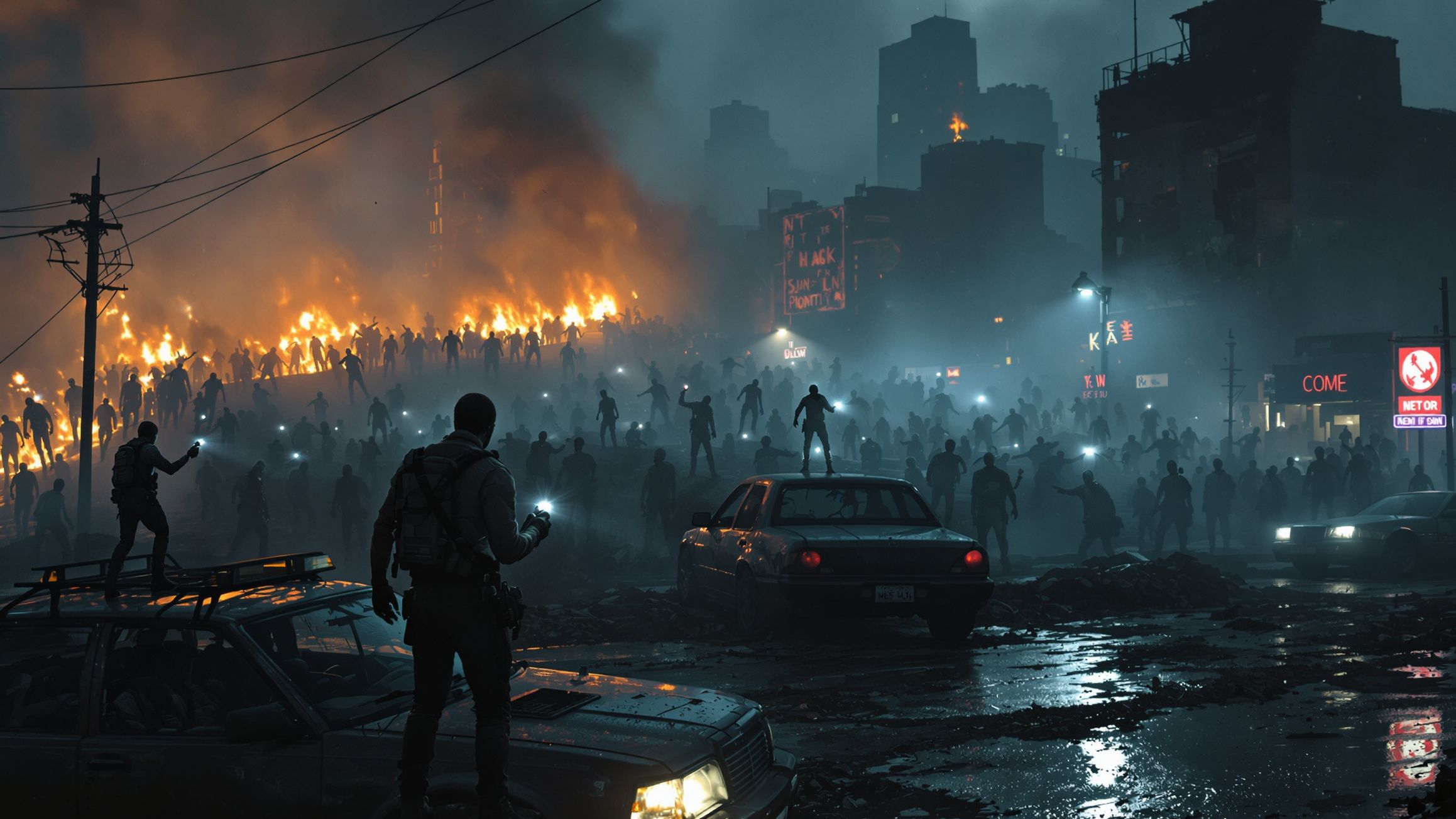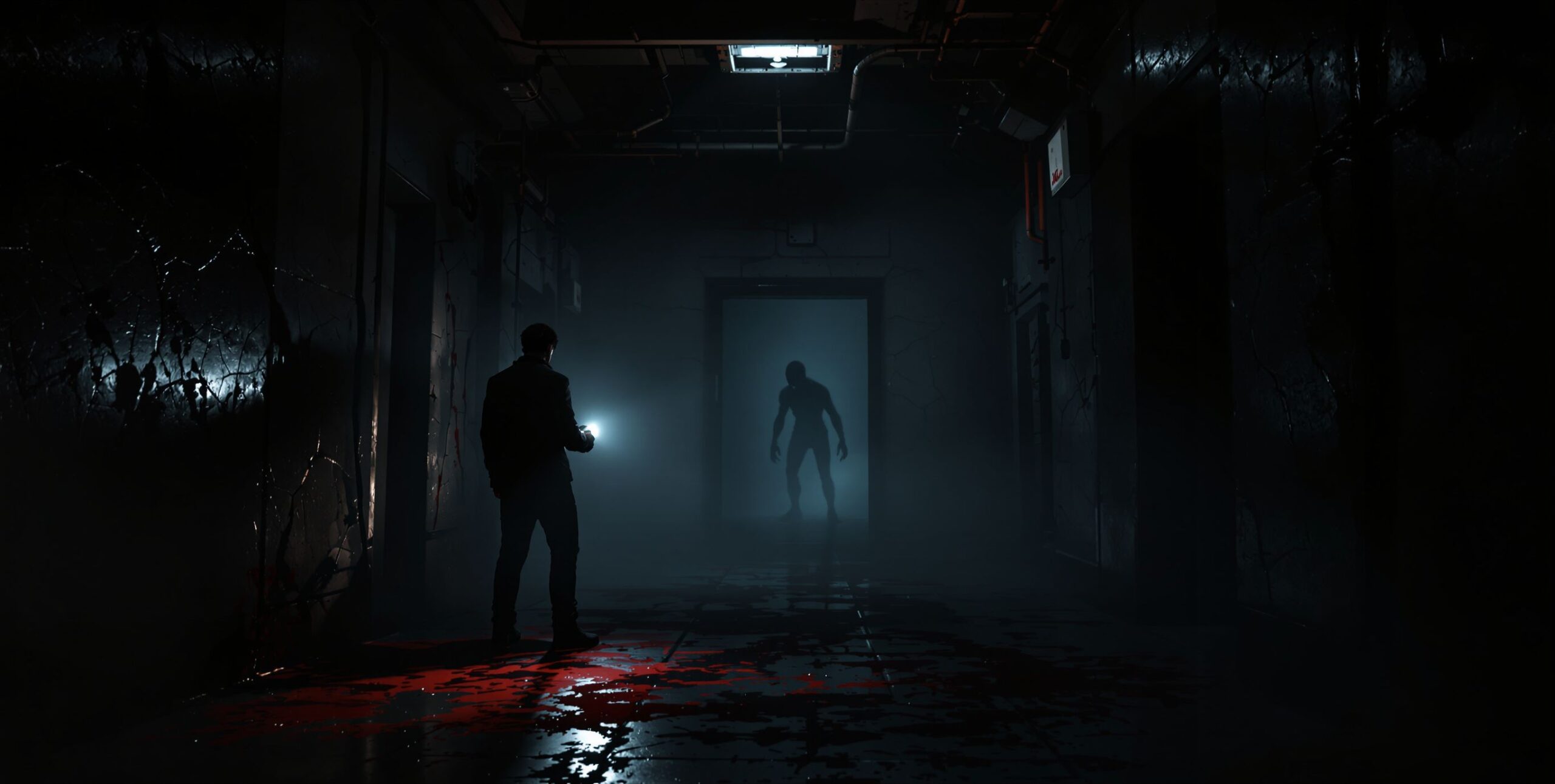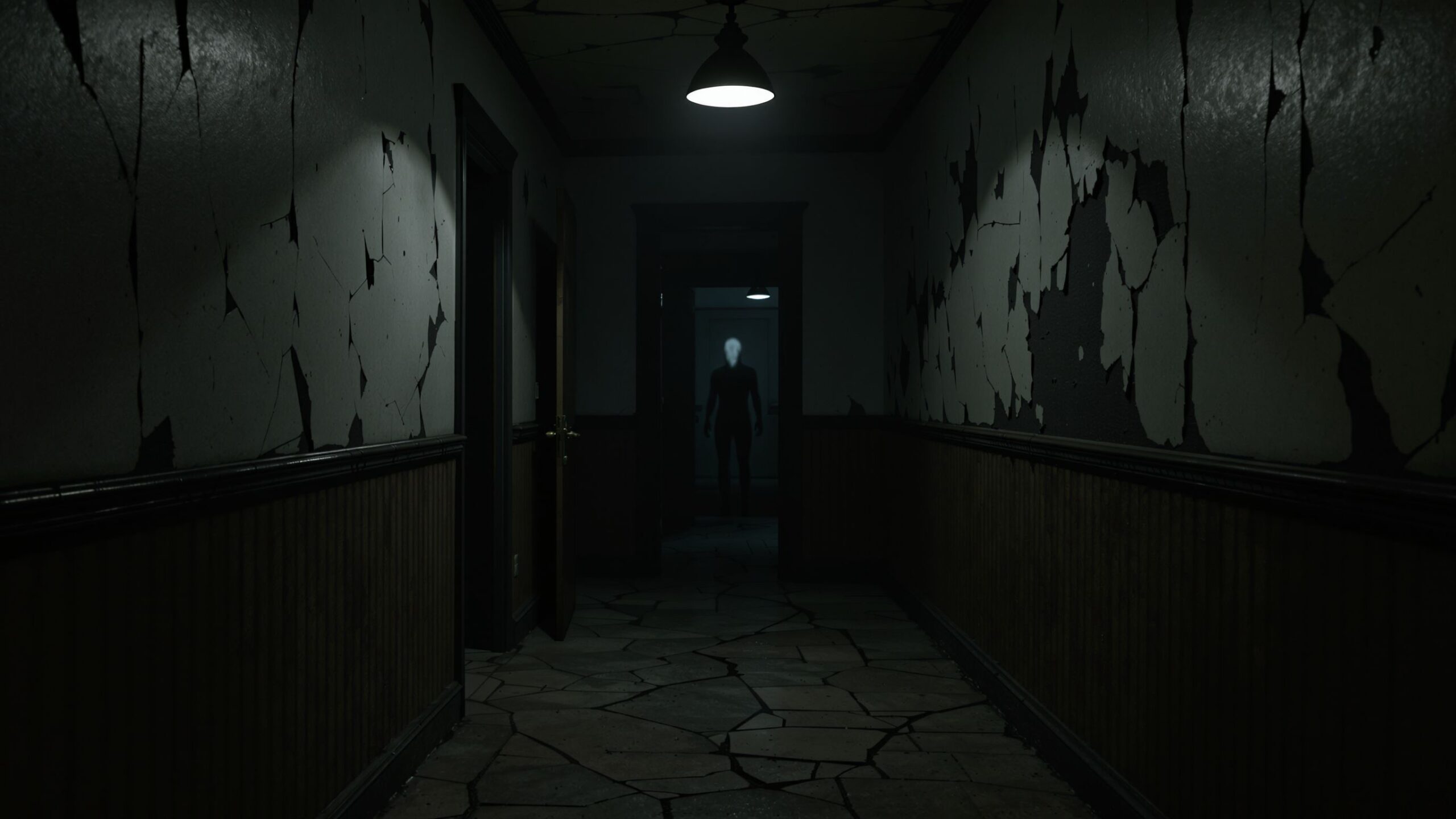
Fear in video games is a uniquely intimate experience. Unlike films, where terror unfolds at a distance, horror games place you directly inside the nightmare. You are not just watching—you are walking through dim hallways, opening creaking doors, and making choices that could mean survival or something far worse. Over decades, developers have refined the craft of fear, blending atmosphere, sound design, storytelling, and gameplay into experiences that linger long after the screen goes dark. This definitive ranking explores the best horror games of all time, judged by one essential metric: fear factor.
A: Atmosphere, sound, vulnerability, enemy pressure, story tension, and the feeling that danger could appear at any moment.
A: No. Jump scares can be effective, but lasting fear usually comes from dread, pacing, and atmosphere.
A: Many players choose Silent Hill 2, Resident Evil 7, Alien: Isolation, Outlast, or Amnesia depending on their fear style.
A: Resident Evil 2 Remake is a strong starting point because it balances fear, action, puzzles, and clear progression.
A: Outlast and Alien: Isolation are excellent panic picks because players often feel chased, cornered, and underpowered.
A: Silent Hill 2, Visage, and Amnesia are strong choices for dread, confusion, and mental unease.
A: Yes. Limited graphics, fixed cameras, and older controls can actually make classic horror feel more tense.
A: Yes. Headphones make whispers, footsteps, music shifts, and directional scares much more intense.
A: Dead Space, Silent Hill, Resident Evil, and Alien: Isolation are often praised for unforgettable creature design.
A: The strongest rankings consider how frightened the player feels during the game and how long that fear stays afterward.
What Makes a Game Truly Terrifying?
Before diving into the rankings, it’s important to understand what elevates a horror game beyond simple jump scares. True fear in gaming is psychological. It builds slowly, often without obvious threats, and relies on tension, vulnerability, and uncertainty. The best horror games strip away power, leaving players exposed. Limited resources, unpredictable enemies, and oppressive environments all contribute to that creeping dread.
Sound design plays a critical role, often more powerful than visuals. A distant footstep, a sudden silence, or a distorted whisper can trigger a stronger reaction than any monster. Narrative depth also matters. When players care about the story or feel emotionally invested, fear becomes personal.
With that in mind, let’s explore the games that mastered these elements and defined the genre.
10. Dead Space – Sci-Fi Terror in the Void
Few games capture isolation like Dead Space. Set aboard a derelict spaceship, the game traps players in a metallic labyrinth filled with grotesque creatures known as Necromorphs. The fear here comes from claustrophobia and unpredictability. Enemies don’t just attack—they mutate, ambush, and force players to think tactically.
The absence of traditional HUD elements, replaced by in-world indicators, deepens immersion. Every flicker of light and distant metallic clang builds tension. While action plays a larger role compared to other entries on this list, the atmosphere and relentless pressure secure its place among the most frightening experiences in gaming.
9. Amnesia: The Dark Descent – Fear Without Weapons
Amnesia: The Dark Descent revolutionized horror by removing combat entirely. You cannot fight back. You can only run, hide, and hope. This design choice forces players into a constant state of vulnerability.
The sanity mechanic adds another layer of psychological torment. Staying in darkness too long or witnessing disturbing events causes the protagonist to lose grip on reality, distorting the environment and intensifying fear. The game’s slow pacing and oppressive atmosphere make every step forward feel like a risk.
8. Resident Evil 7: Biohazard – A Return to Pure Horror
After years of action-heavy entries, Resident Evil 7: Biohazard brought the franchise back to its roots. The shift to first-person perspective immediately amplifies fear, placing players directly inside the nightmare.
Set in a decaying Louisiana plantation, the game blends grotesque horror with unsettling realism. The Baker family, particularly Jack Baker, creates relentless tension as they stalk players through tight corridors. The limited resources and confined spaces make every encounter feel desperate and unpredictable.
7. Outlast – Helplessness Amplified
Outlast takes vulnerability to an extreme. Armed only with a camcorder, players must navigate an abandoned psychiatric hospital filled with violent inmates. The night vision mechanic, powered by limited batteries, becomes both a lifeline and a source of dread.
The inability to fight back forces players into stealth, creating heart-pounding moments as enemies search nearby. The game’s relentless pacing and disturbing imagery make it a nerve-wracking experience from start to finish.
6. Alien: Isolation – The Perfect Predator
Few enemies in gaming are as terrifying as the Xenomorph in Alien: Isolation. Unlike scripted monsters, this creature adapts. It learns from player behavior, making each encounter unpredictable.
The game excels at building tension rather than relying on constant action. Long stretches of silence are broken by sudden, deadly encounters. The fear comes from anticipation—knowing the alien could appear at any moment, from any direction.
5. The Evil Within – Nightmares Unleashed
Created by Resident Evil mastermind Shinji Mikami, The Evil Within blends psychological horror with brutal survival mechanics. The game’s shifting environments and surreal imagery create a constant sense of unease.
Enemies are grotesque and often unpredictable, while limited resources force players into difficult decisions. The combination of disturbing visuals and intense gameplay makes it a deeply unsettling experience.
4. P.T. – Fear in a Loop
Despite being a short demo, P.T. is often considered one of the scariest experiences ever created. Set in a looping hallway, the game uses subtle changes to build overwhelming dread.
There are no clear objectives, no combat, and very little explanation. Instead, players are left to interpret disturbing events as they unfold. The psychological horror, combined with masterful sound design, creates an experience that lingers long after it ends.
3. Silent Hill 2 – The Mind as the Monster
Silent Hill 2 is widely regarded as a masterpiece of psychological horror. Rather than relying on jump scares, the game explores themes of guilt, grief, and trauma.
The fog-covered town creates an eerie sense of isolation, while the monsters symbolize the protagonist’s inner struggles. Pyramid Head, in particular, stands as one of gaming’s most iconic and terrifying figures. The fear here is deeply emotional, making it one of the most haunting experiences in the genre.
2. Outlast 2 – Relentless Psychological Terror
Outlast 2 takes everything that made its predecessor terrifying and pushes it further. Set in a rural, cult-controlled environment, the game combines religious horror with psychological torment.
The narrative is disturbing, often blurring the line between reality and hallucination. The constant pursuit by enemies, combined with limited visibility and resources, creates a relentless sense of panic. Few games maintain such a high level of tension throughout their entire runtime.
1. Visage – The Pinnacle of Fear
At the top of the list is Visage, a game that embodies pure psychological horror. Inspired by P.T., it expands the concept into a full experience that is both terrifying and deeply unsettling.
Set in a haunted house, the game uses environmental storytelling and subtle changes to create dread. There are no traditional objectives guiding players. Instead, exploration reveals fragmented stories filled with tragedy and horror.
The game’s sanity system punishes players for staying in darkness or witnessing disturbing events, leading to unpredictable and terrifying consequences. The slow pacing, combined with an oppressive atmosphere, makes Visage one of the most frightening games ever created.
The Evolution of Fear in Gaming
Horror games have evolved significantly over the years. Early titles relied on limited technology to create tension through atmosphere and imagination. As graphics improved, developers gained new tools to enhance realism and immersion.
However, the most effective horror games often return to simplicity. They focus on atmosphere, sound, and psychological tension rather than relying solely on visual fidelity. This balance between old and new techniques defines the best entries in the genre.
Why Horror Games Stay With You
Unlike other genres, horror games often leave a lasting impression. The interactive nature of gaming makes fear more personal. Players remember not just what happened, but how it felt to experience it.
Moments of terror become memories. The sound of footsteps behind you, the sudden flicker of lights, or the realization that something is watching—these experiences linger long after the game is over.
Final Thoughts on the Ultimate Fear Factor
Ranking horror games by fear factor is inherently subjective, as different players respond to different types of horror. Some fear the unknown, others fear relentless pursuit, and some are most affected by psychological themes.
What unites the games on this list is their ability to create genuine, lasting fear. They don’t just scare—they immerse, unsettle, and challenge players in ways that few other experiences can.
As technology continues to evolve, the future of horror gaming looks even more promising. Virtual reality, advanced AI, and deeper storytelling techniques will push the boundaries of fear even further. But no matter how the genre evolves, the core principle remains the same: true horror comes from within. And the best games know exactly how to bring it out.