Why Some Game Characters Dominate Cosplay
The most popular video game characters to cosplay are popular because they are instantly readable and personally adaptable. A great cosplay character has a strong silhouette, recognizable colors, memorable accessories, and enough emotional pull that fans want to inhabit the role for a day. Some characters are popular because they are iconic heroes. Others work because they offer dramatic armor, expressive wigs, elegant dresses, bold weapons, or flexible versions that beginners and experts can interpret at different skill levels. Gaming cosplay is not only about copying a design. It is about translating a playable identity into fabric, foam, makeup, posture, and confidence.
- Mascot heroes are easy for crowds to recognize.
- Fantasy adventurers work well with props and capes.
- Armored heroes create impressive craftsmanship challenges.
- Fighting game characters offer strong poses.
- RPG leads reward detail and emotional attachment.
- Horror characters create atmosphere through makeup.
- Villains let cosplayers play with dramatic presence.
- Custom avatars allow personal interpretation.
- Shooter characters support tactical gear builds.
- Cozy game characters can be approachable and charming.
- Mario-style outfits are readable with simple pieces.
- Pokemon trainer looks allow flexible everyday clothing.
- Animal Crossing-inspired outfits can be cozy and light.
- Stardew-style farmers work well with thrifted clothes.
- Casual Link variants can start with a tunic and belt.
- Portal-inspired looks can use clean props and color cues.
- Minecraft-inspired costumes can be simple and playful.
- Street fighter looks can be built around athletic clothing.
- Modern RPG characters may need fewer armor pieces.
- Closet cosplay can test an idea before a full build.
- Samus armor rewards foam and painting skill.
- Master Chief-style armor demands structure and patience.
- Cloud's oversized sword requires safe prop planning.
- Monster hunter armor can become a full workshop project.
- Detailed Final Fantasy outfits need layered construction.
- Elaborate villain costumes often need makeup and prosthetics.
- Creature builds require mobility planning.
- LED props need wiring and battery safety.
- Large wings need convention-aware engineering.
- Weathered armor benefits from paint and texture work.
- A strong silhouette reads from far away.
- Signature colors help people identify the character.
- Props can communicate the role quickly.
- Wigs often carry character identity.
- Armor shapes make a design memorable.
- Posture can sell the cosplay before details do.
- Group cosplay increases recognition.
- A familiar weapon can anchor the outfit.
- Makeup and scars can define darker characters.
- Comfort helps the cosplayer stay in character longer.
- Choose a version that matches your time and budget.
- Check convention prop rules before building weapons.
- Plan shoes as carefully as visible costume pieces.
- Test movement before wearing armor all day.
- Pack repair supplies for long events.
- Use breathable layers when possible.
- Simplify hidden details if comfort matters more.
- Practice poses that suit the character.
- Credit photographers and makers clearly.
- Start with a character you genuinely enjoy.
What makes a game character popular for cosplay?
A clear silhouette, strong colors, memorable props, and fan attachment all help.
Who is easiest to cosplay from games?
Trainer, farmer, mascot, and casual hero looks are often beginner friendly.
Are armored characters hard to cosplay?
They can be, especially when the build involves foam shaping, painting, mobility, and travel.
Do villains make good cosplay choices?
Yes. Villains often have strong visual identity and dramatic presence.
Can I make my own version of a character?
Yes. Many cosplayers create casual, armored, gender-swapped, or original interpretations.
Why are fighting game characters popular?
They have readable designs, strong poses, and clear personality.
Are horror game cosplays common?
Yes. Horror characters work well with makeup, distressing, and atmosphere.
Should beginners avoid big props?
Beginners should start with safe, manageable props and check event rules.
Does accuracy matter?
Accuracy can be fun, but confidence, comfort, and craft matter too.
Why cosplay video game characters?
It lets fans turn playable identity into visible craft and performance.
Iconic Heroes With Clear Silhouettes
Characters such as Link, Mario, Samus, Lara Croft, Master Chief, Cloud Strife, and similar gaming icons remain popular because people recognize them quickly. Their silhouettes carry decades of memory: a cap and overalls, a green tunic and sword, powered armor, a braid and adventurer gear, a massive sword, or a helmeted space soldier. Cosplay benefits from clarity. If a costume communicates the character from across a convention hall, it already has power.
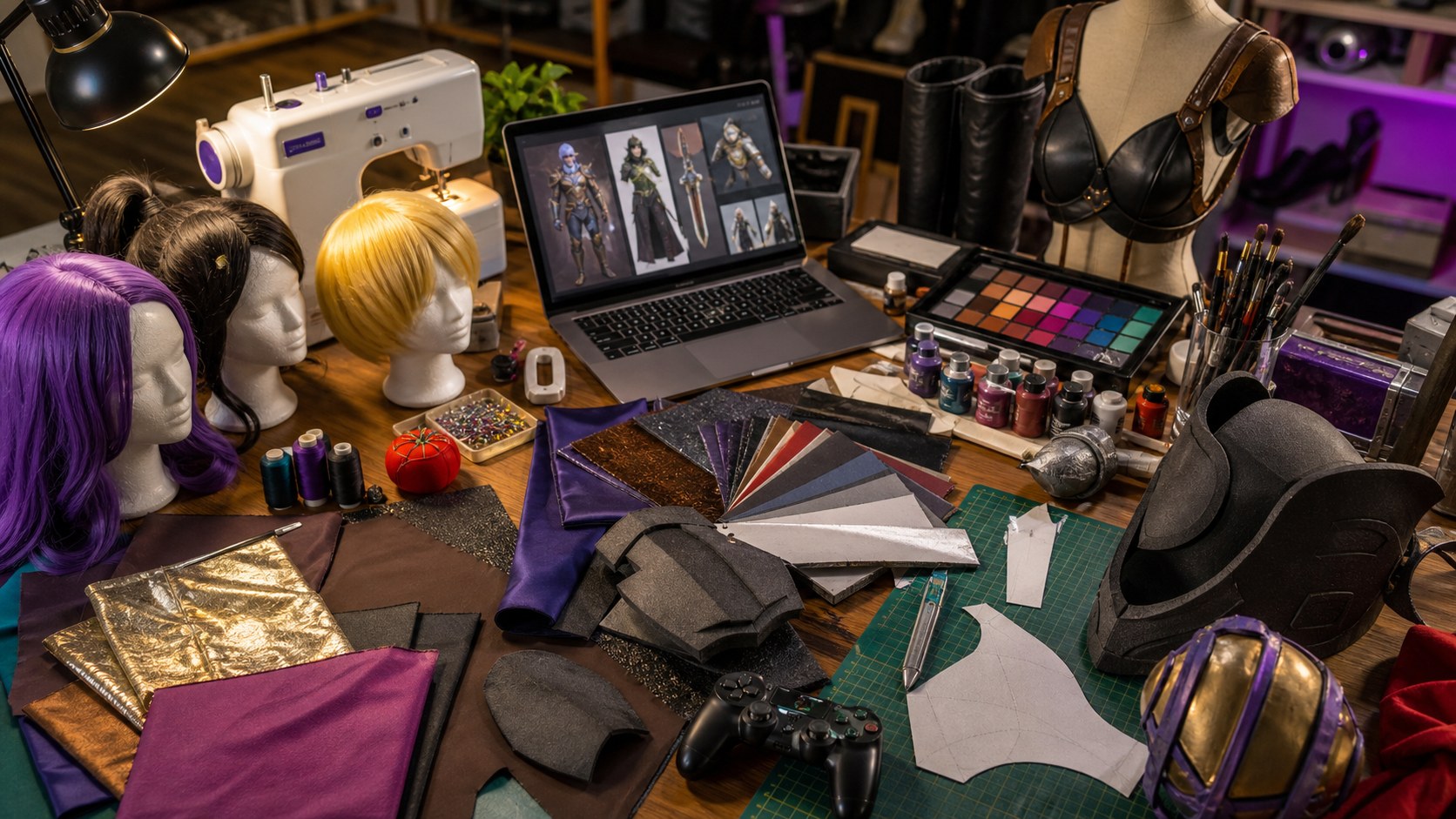
These characters also offer different difficulty levels. A simple Mario-inspired outfit can be approachable. Samus armor or a full Master Chief build can become a serious craftsmanship project. Link can be casual, classic, armored, or elaborate depending on the version. Popular cosplay characters survive because they give fans many entry points. A beginner can start with recognizable pieces, while an advanced maker can chase accuracy, weathering, electronics, or complex props.
Fighting Game Characters and Stage Presence
Fighting game characters are cosplay favorites because their designs are built for readability and attitude. Ryu, Chun-Li, Cammy, Scorpion, Sub-Zero, Kitana, Jin, Kazuya, and other fighters have strong poses, colors, accessories, and movement language. These characters are not only outfits. They come with stances, gestures, rivalries, and a sense of stage presence that works well in photos and convention spaces.
Fighting game cosplay also lets fans lean into performance without needing a full narrative scene. A pose, a prop, a mask, a pair of gloves, or a color scheme can communicate the character immediately. The designs often balance boldness with practicality, which makes them useful for both solo cosplay and group lineups. When several fighters appear together, the visual language becomes even stronger.
RPG, Fantasy, and Anime-Influenced Designs
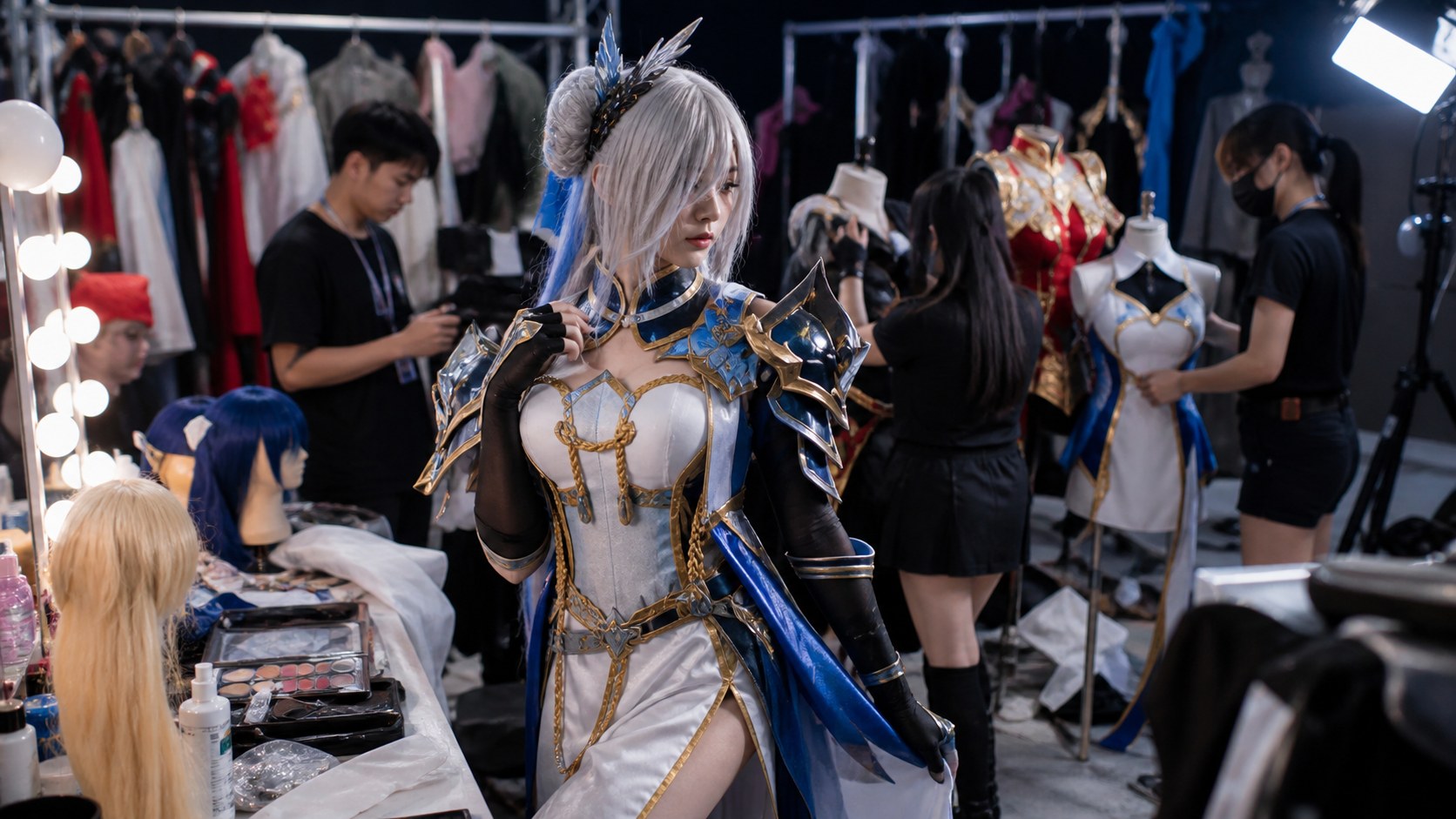
Role-playing games and anime-influenced games provide many of the most popular cosplay choices because they offer dramatic outfits, expressive hair, magical accessories, and emotional character arcs. Final Fantasy, Kingdom Hearts, Persona, Fire Emblem, Genshin-style fantasy, and similar spaces give cosplayers designs that feel theatrical. These characters often have specific colors, weapons, coats, school uniforms, armor pieces, or symbols that fans can make their own.
The appeal is partly emotional. RPG fans spend many hours with characters, watching them grow, struggle, joke, and fight. Cosplay becomes a way to carry that attachment into the real world. It also becomes a craft challenge: belts, buckles, layered coats, foam armor, styled wigs, embroidery, and props. These designs are popular because they reward detail, but they can also be simplified into closet cosplay or casual variants.
Horror, Villains, and Darker Favorites
Villains and horror characters are popular because they create strong atmosphere. Resident Evil characters, Silent Hill-inspired nurses, survival horror protagonists, masked killers, demonic bosses, and morally complicated antagonists all give cosplayers a chance to work with makeup, distressing, props, lighting, and mood. A darker costume can stand out because it tells a story through texture: torn fabric, grime, scars, leather, metal, or eerie stillness.
These characters also show that popularity is not always about being heroic. Sometimes fans want to embody fear, mystery, style, or power. A good villain cosplay can be magnetic because the character has a visual presence that players remember instantly. Horror cosplay especially rewards photography, posture, and environment. The costume is only part of the effect; the mood completes it.
Avatars, Custom Characters, and Flexible Picks
Some of the most popular cosplay ideas come from games where the character is flexible. Trainers, vault dwellers, space explorers, fantasy adventurers, rogues, knights, and player-created heroes give fans permission to build an original version within a recognizable world. These costumes can be easier to personalize because the goal is not perfect duplication. The goal is to capture a game language: colors, equipment, badges, armor style, or a familiar prop.
Flexible characters are especially friendly for new cosplayers. They allow thrifted clothing, partial armor, handmade accessories, and creative interpretation. They also make group cosplay easier because each person can belong to the same world without wearing the same outfit. Gaming cosplay thrives when fans can balance recognition with self-expression, and avatar-based characters are perfect for that balance.
What Makes a Character Cosplay-Friendly
A cosplay-friendly character has enough visual anchors to be recognized, but enough flexibility to be wearable. The best designs consider silhouette, color, comfort, heat, movement, props, storage, and durability. A costume that looks impressive for five minutes may be difficult to wear for a whole convention day. Popular characters often inspire many versions because fans learn how to adapt them for real bodies and real spaces.
Practicality does not mean boring. Some of the most beloved cosplays are clever because they solve problems elegantly. A prop breaks down for travel. Armor is lightweight. A wig is styled for visibility. Shoes are comfortable enough to survive a long day. The most popular video game characters to cosplay keep returning because they support both fantasy and logistics.
The Bottom Line on Popular Game Cosplay
The most popular video game characters to cosplay tend to be readable, emotional, and adaptable. Iconic heroes, fighters, RPG leads, villains, horror figures, and custom avatars all work because they give fans something recognizable to hold onto and something personal to interpret. Popularity is not only about fame. It is about whether a design can live outside the screen.
A great cosplay character lets fans celebrate a game through craft and presence. Whether the outfit is simple, elaborate, accurate, casual, armored, funny, or dramatic, the goal is the same: make the character feel alive in a new medium. That is why gaming cosplay remains such a visible part of fan culture.
Why Recognition Matters at Conventions
Recognition matters because cosplay is partly a public conversation. When someone recognizes a character across a convention floor, a tiny connection happens. The cosplayer’s work has translated a digital design into something readable in real space. That is why strong colors, silhouettes, props, wigs, and posture matter so much. A costume does not need to be perfectly accurate to succeed, but it needs enough anchors for people to understand the character or at least the game language being referenced.
Popular video game characters tend to have those anchors. Link has a tunic, sword, shield, and adventurous shape. Mario has bold colors and a familiar cap. Samus and Master Chief have armor silhouettes. Fighting game characters have poses and costume shapes designed for quick readability. RPG characters often have dramatic hair, weapons, or coats. Horror characters have mood and texture. Recognition gives the cosplay its first spark; craft and performance deepen it.
How Cosplayers Adapt Characters for Real Life
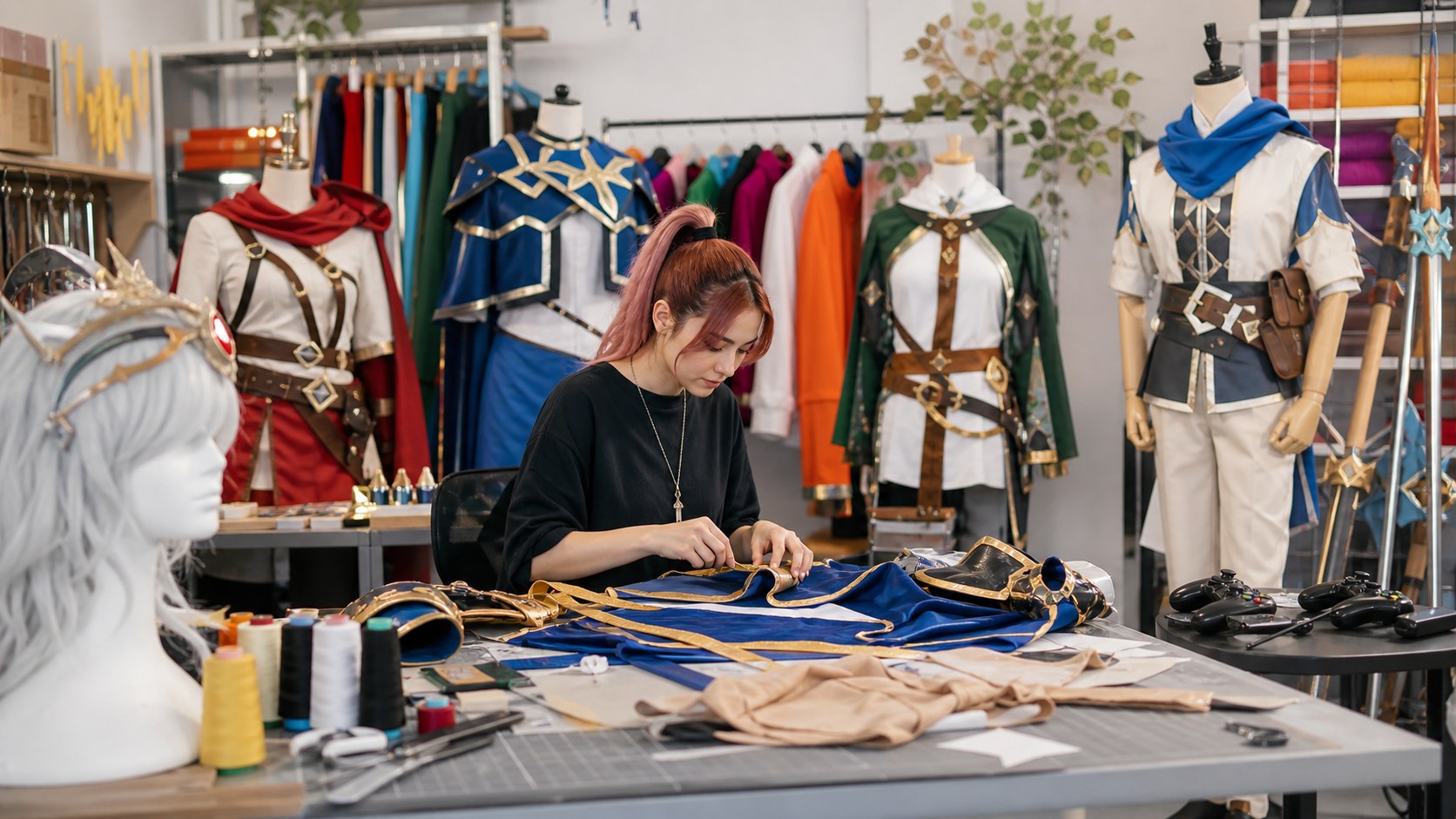
A digital character does not have to worry about heat, stairs, crowded hallways, hotel elevators, fabric stretch, or prop rules. A cosplayer does. That is why adaptation is part of the art. Armor may need hidden straps. A weapon may need to be lighter and safer than it looks. Shoes may need comfort upgrades. A wig may need to survive wind and movement. Makeup may need to last under lights. The best popular cosplay choices work because fans have found many ways to make them wearable.
Adaptation also makes cosplay more inclusive. A character can be reimagined for different bodies, budgets, climates, and comfort levels. Casual versions, armored versions, formal versions, and original takes all allow more people to participate. The most popular characters survive because they are not locked to one perfect version. They can be translated again and again.
Why Emotional Attachment Drives Popularity
Popularity is not only visual. Fans cosplay characters they care about. A player who spent a hundred hours with a companion, main character, fighter, or avatar has a different relationship to that design than someone who only saw a screenshot. Cosplay becomes a way to honor the hours spent learning a move set, finishing a quest, surviving a boss, laughing at dialogue, or growing attached to a world. The costume carries memory.
That emotional attachment explains why some characters remain popular long after their original release. A beloved game can keep producing cosplay because new players discover it, older fans return to it, and the character still feels meaningful. The most popular video game characters to cosplay are not only marketable designs. They are roles people want to step into because the game made those roles matter.
Why Popular Characters Support Many Skill Levels
Popular game characters stay popular because they can support many skill levels. A beginner can make a casual version with thrifted clothes and a few clear accessories. An intermediate cosplayer can improve the silhouette, add better fabric, style the wig, or build a cleaner prop. An advanced maker can pursue armor, electronics, weathering, embroidery, prosthetics, or a full group build. The same character can grow with the cosplayer over several attempts.
This is especially useful in gaming cosplay because many characters have multiple official outfits, alternate skins, sequels, seasonal designs, and fan-recognized variants. A cosplayer does not always need to choose the most difficult version. They can pick the one that fits their body, budget, deadline, and comfort. That flexibility keeps characters visible across conventions because many people can participate without making identical choices.
The best popular characters also photograph well. They have poses, props, colors, and attitudes that help the cosplayer communicate quickly. A good photo does not require perfect accuracy; it requires clarity and confidence. Popular game characters tend to provide both.
How Popular Characters Build Community
Popular characters build community because they give fans a shared visual language. A person dressed as a recognizable hero, fighter, villain, or avatar becomes an invitation for conversation. Other fans ask for photos, compare versions, talk about favorite games, share build advice, or plan group shoots. The costume becomes a social bridge. This is one reason gaming cosplay feels so visible at conventions: the characters already belong to interactive worlds that people have played together, argued about, and loved.
These characters also make group cosplay easier. A popular game usually has enough heroes, rivals, classes, skins, and side characters for multiple people to join without copying each other. That makes the hobby more welcoming. One person can choose a simple look, another can build armor, another can create a villain, and another can design a casual version. The group still reads as one world. Popularity gives everyone a common starting point.
The most enduring characters keep creating these moments across generations. A parent and child may recognize the same mascot. Older fans may celebrate a classic RPG hero. Newer fans may bring a recent favorite into the same hallway. Cosplay turns that shared memory into something visible.