What Makes a Cosplayer Famous?
The most famous cosplayers in the world are not famous for one reason. Some became known for extraordinary craftsmanship. Some built huge audiences through convention appearances, tutorials, modeling, streaming, photography, or social media. Others helped make cosplay feel more accepted as a serious fan art form, a performance practice, and a creative career path. Cosplay fame is unusual because it sits between craft, fandom, entertainment, and community. A famous cosplayer is not only someone who wears a recognizable costume. They are someone whose work teaches people what cosplay can become.
- Yaya Han helped make professional cosplay more visible.
- Jessica Nigri became a major internet-era cosplay personality.
- Kamui Cosplay is known for foam armor, books, and tutorials.
- Maul Cosplay is admired for character presence and performance.
- Alodia Gosiengfiao brought major cosplay visibility in Southeast Asia.
- Linda Le, also known as Vampy Bit Me, became a recognizable convention figure.
- Stella Chuu is known for playful builds, performance, and teaching.
- Kinpatsu Cosplay is respected for detailed tutorials and armor work.
- Enji Night built international recognition through photography and character looks.
- Many regional stars are famous within specific convention scenes.
- Craftsmanship makes a costume impressive up close.
- Performance makes the character feel alive.
- Photography helps cosplay travel online.
- Tutorials turn fame into shared skill.
- Convention judging builds authority.
- Social media creates global visibility.
- Streaming and video add personality.
- Business projects can professionalize a career.
- Regional communities shape who becomes famous.
- Longevity separates lasting names from viral moments.
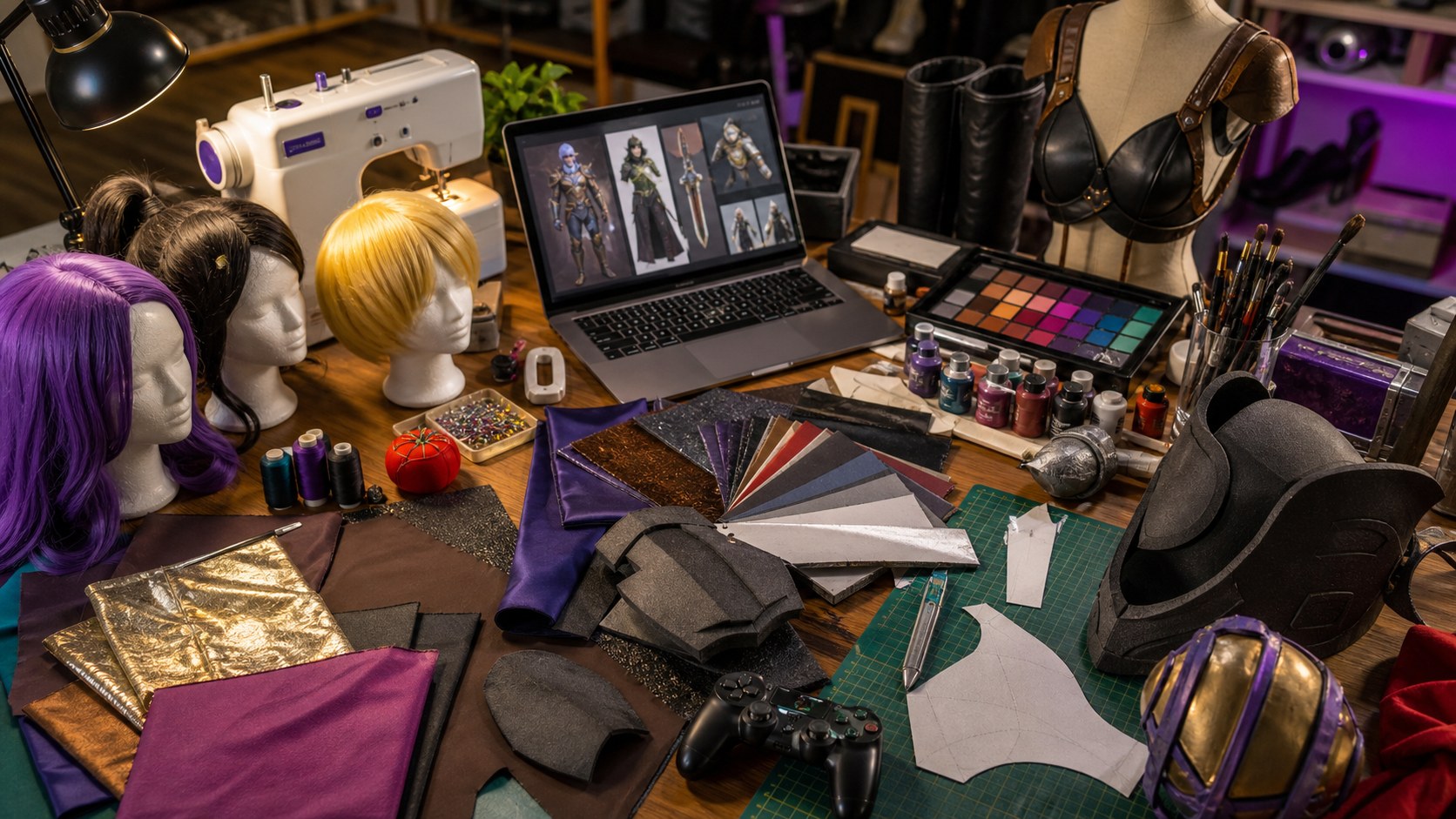
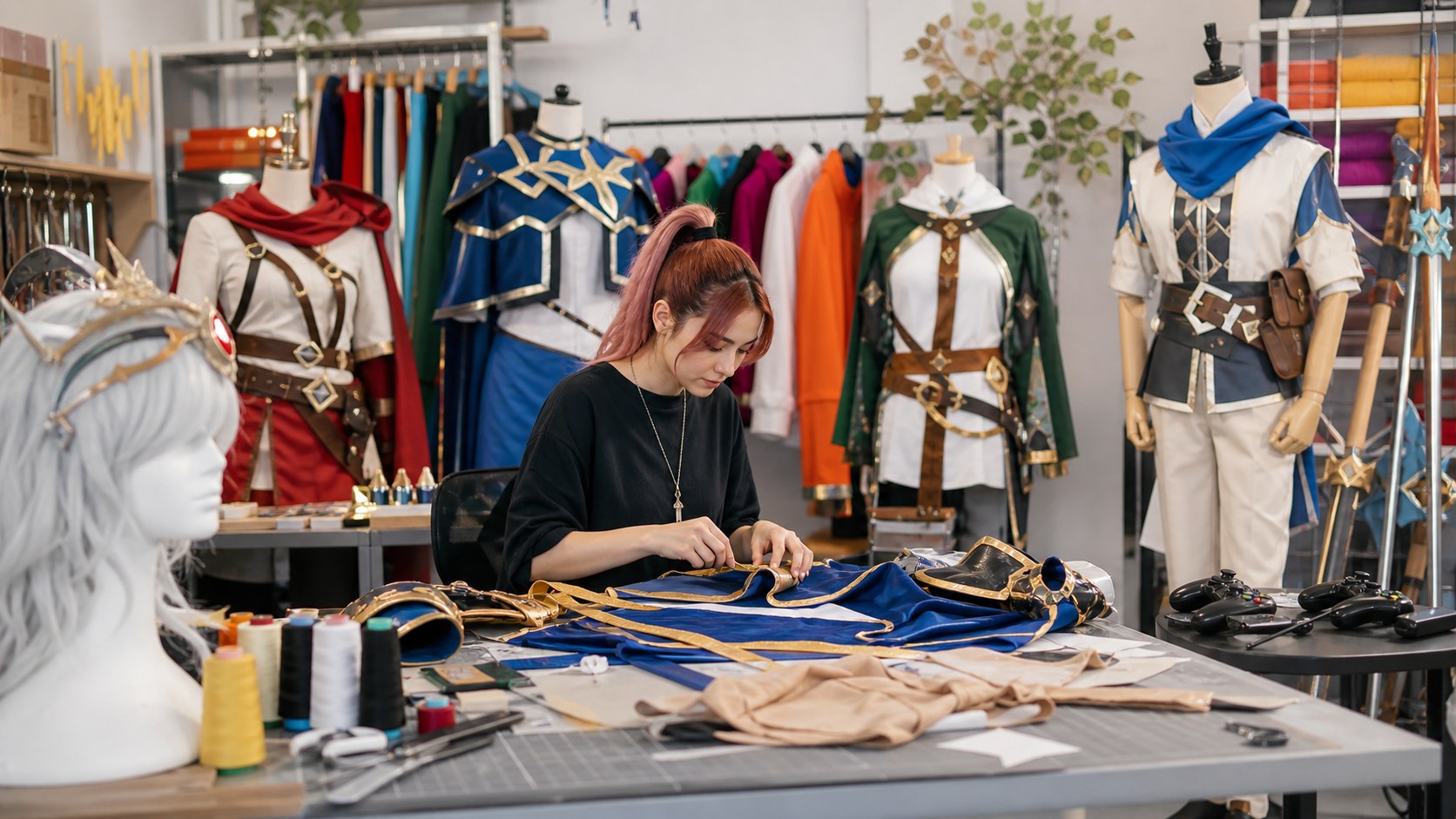
- Sewing turns fabric into readable silhouettes.
- Foam work creates armor and props.
- Wig styling carries character identity.
- Makeup changes face shape, mood, and finish.
- Painting adds texture, weathering, and depth.
- Patterning turns a design into buildable pieces.
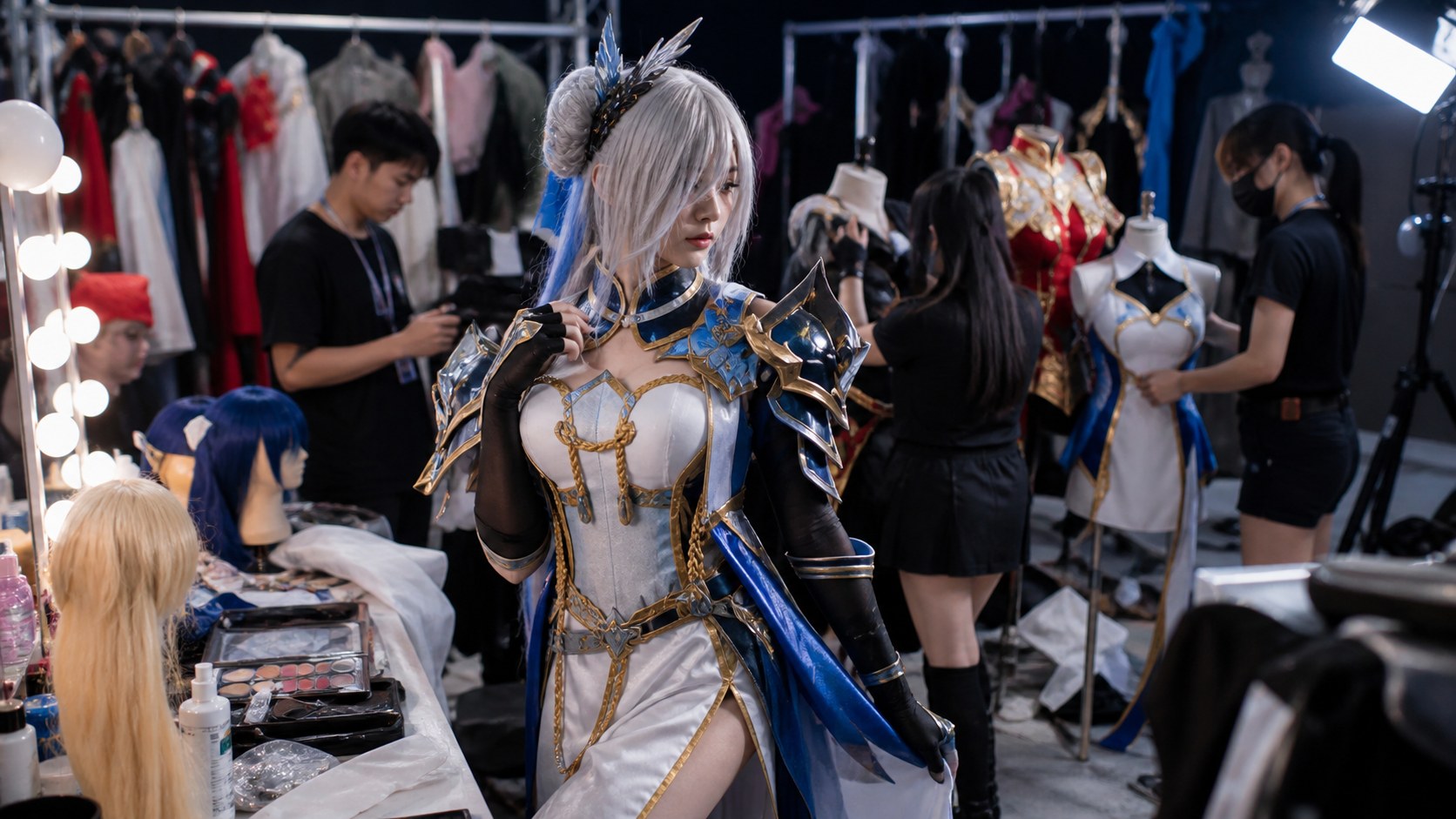
- Photography frames the final illusion.
- Pose practice communicates personality.
- Prop safety keeps conventions workable.
- Repair skills save long event days.
- Famous cosplayers inspire beginners to start.
- Tutorial creators reduce the fear of difficult builds.
- Judges help raise craft standards at events.
- Public figures can normalize cosplay as art.
- Convention guests bring cosplay into programming.
- Makers share material knowledge across borders.
- Well-known creators can model credit and permission habits.
- Visible cosplayers help fandom feel more participatory.
- Regional icons strengthen local scenes.
- The best fame points back to community.
- Follower count is not the same as craft skill.
- Fame can create unfair pressure and scrutiny.
- Photos may hide comfort and construction problems.
- Different regions celebrate different creators.
- Viral moments can distort long-term contribution.
- Accuracy is only one possible value.
- Respect personal boundaries around cosplayers.
- Credit photographers and makers clearly.
- Avoid reducing creators to one costume.
- Support local cosplayers, not only global names.
Who is the most famous cosplayer?
Yaya Han and Jessica Nigri are often among the most widely recognized names.
Why is Yaya Han important?
She helped make cosplay visible as a professional craft and convention art form.
What is Kamui Cosplay known for?
Kamui Cosplay is known for armor builds, props, books, and practical tutorials.
Is cosplay fame only about looks?
No. Craft, teaching, performance, photography, and community impact all matter.
Can cosplayers make careers from cosplay?
Some do through conventions, tutorials, books, sponsorships, commissions, streaming, or content.
Are famous cosplayers always the best makers?
Not always. Fame and technical skill overlap, but they are not identical.
Why do tutorials matter?
They help beginners learn materials, tools, and construction steps.
Is cosplay global?
Yes. Major cosplay communities exist across North America, Asia, Europe, Latin America, and beyond.
Should cosplayers credit helpers?
Yes. Photographers, builders, makeup artists, and assistants should be credited when involved.
Why follow famous cosplayers?
They can provide inspiration, education, and a window into the wider cosplay community.
Yaya Han and Professional Cosplay Visibility
Yaya Han is one of the first names many fans mention because she helped make cosplay visible as a professional creative field. Her reputation comes from detailed costumes, convention judging, educational work, business projects, and years of explaining cosplay to audiences outside the hobby. That matters because early cosplay fame often required translation. Fans understood the labor, but mainstream audiences did not always know how much design, sewing, fabrication, makeup, and performance were involved.
Her influence is not only that she made impressive costumes. It is that she helped frame cosplay as craft. For many beginners, seeing a cosplayer treated as an artist, judge, teacher, and entrepreneur made the hobby feel more possible. Famous cosplayers often become gateways. They give new fans language for the work and permission to take it seriously.
Jessica Nigri and Internet-Era Cosplay Fame
Jessica Nigri represents a different side of cosplay fame: the rise of internet visibility, humor, modeling, convention personality, and pop-culture reach. Her career shows how cosplay became inseparable from online platforms, viral images, fan communities, and creator-driven attention. For better or worse, modern cosplay fame is not only built in convention halls. It is built through photographs, videos, livestreams, comments, interviews, and the constant circulation of fan culture online.
Nigri’s fame also shows how public cosplay can be both empowering and heavily scrutinized. Popular cosplayers often have to manage expectations about accuracy, body image, character choice, sponsorships, and personal boundaries. That pressure is part of why fame in cosplay is complicated. The costume may be playful, but the career around it can be intense.
Kamui Cosplay and the Power of Teaching
Kamui Cosplay, the creative identity of Svetlana Quindt and her team, is famous because of both builds and education. Foam armor, prop construction, painting, patterns, tutorials, books, videos, and practical advice made Kamui Cosplay a major resource for makers. This kind of fame is especially valuable because it spreads skill. A tutorial can help thousands of people finish their own projects long after one costume photo has passed through a feed.
Teaching fame is different from pure celebrity. It builds trust. Fans return because they feel helped, not only impressed. Cosplay depends on shared knowledge: how to seal foam, shape armor, make patterns, attach straps, pack props, and survive convention days. Famous educators strengthen the whole scene because they turn mystery into steps.
Maul Cosplay, Performance, and Character Presence
Maul Cosplay is often discussed for performance, physique, photography, and character presence. Some cosplay becomes famous because the person wearing the costume seems to understand the character’s posture, intensity, and mood. This is especially important for game and fantasy characters whose designs can look flat if the cosplayer only copies the outfit. A powerful pose, expression, prop stance, or photo concept can make the costume feel alive.
That performance element is easy to underestimate. Cosplay is not only fabrication. It is also acting, modeling, movement, and collaboration with photographers. Famous cosplayers often know how to complete the illusion for the camera and for the crowd. A great costume asks for craft; a great cosplay asks for presence too.
Global Names and Regional Communities
Cosplay fame is global, and different regions have their own stars, conventions, platforms, and styles. Alodia Gosiengfiao helped bring major visibility to cosplay in the Philippines and beyond. Enji Night, Linda Le, Stella Chuu, Kinpatsu Cosplay, and many other creators became known through different mixes of craft, modeling, tutorials, personality, and social media. The point is not to reduce the world to one ranking. Cosplay fame changes depending on language, region, platform, and fan community.
That global spread matters because cosplay is not one culture moving in one direction. Japanese convention traditions, North American comic and game expos, European maker scenes, Southeast Asian fan events, and online communities all shape what fame means. A cosplayer can be world-famous, regionally iconic, or deeply respected within a specific craft niche. All of those forms of fame matter.
Why Famous Cosplayers Matter
Famous cosplayers matter because they make the labor visible. A finished costume can hide the months of measuring, cutting, sanding, sewing, painting, failing, repairing, and posing that created it. Well-known cosplayers often show the process, which helps fans understand that the magic is built by hand. That visibility can inspire someone to try their first wig, first foam piece, first seam, or first convention outfit.
They also matter because they shape standards and conversations. Famous cosplayers can model good credit habits, convention etiquette, body positivity, safer prop planning, and respect for makers. They are not perfect representatives of an entire hobby, but their platforms can influence how newcomers learn. When fame is used well, it makes the community more skilled and more welcoming.
The Bottom Line on Cosplay Fame
The most famous cosplayers in the world became famous through different combinations of artistry, personality, teaching, performance, business, and timing. Yaya Han, Jessica Nigri, Kamui Cosplay, Maul Cosplay, Alodia Gosiengfiao, Enji Night, Linda Le, Stella Chuu, Kinpatsu Cosplay, and many others represent different paths through the same creative world. None of them defines cosplay alone.
The healthiest way to talk about famous cosplayers is to see them as entry points. They introduce fans to craft, photography, conventions, tutorials, and community standards. Behind every famous name is a wider world of local makers, photographers, helpers, judges, volunteers, and beginners. Cosplay fame shines brightest when it points back toward that shared creative culture.
How Social Media Changed Cosplay Fame
Social media changed cosplay fame by making the photo, build log, tutorial, and personality all part of the same public identity. A cosplayer can now show a sketch, a failed foam test, a finished armor piece, a convention photo, and a behind-the-scenes repair in one ongoing story. That transparency can make fans more invested because they see the labor instead of only the final reveal. It also means fame can arrive from many directions: a viral costume, a useful tutorial, a funny video, a striking photo shoot, or years of steady community trust.
This has widened the field, but it has also made fame more demanding. Cosplayers must navigate platform algorithms, reposting, image theft, sponsorship questions, harassment, and the pressure to produce constantly. The famous names who last tend to develop more than one skill. They are makers, performers, communicators, educators, and community members. Their visibility is built on craft, but sustained by adaptability.
Why Craft Fame and Personality Fame Are Different
Cosplay fame can come from craft or personality, and the two are not always the same. A craft-famous cosplayer may be respected because makers study their seams, armor finish, wig structure, patterning, or paint work. Their audience may include beginners who want to learn and advanced builders who want to compare techniques. Personality fame is different. It grows through videos, convention panels, jokes, posing, livestreaming, fan interaction, and the sense that the creator is someone people enjoy spending time with. Many famous cosplayers combine both, but understanding the difference makes the scene easier to read.
This distinction also helps explain why fans disagree about famous names. One person may value perfect construction. Another may value performance. Another may care most about tutorials. Another may follow creators who make the hobby feel welcoming. None of those values is automatically wrong. Cosplay is broad enough to include makers, models, educators, entertainers, photographers, and community organizers. The most famous names usually sit at the crossroads of several of those roles.
How Conventions Helped Build Cosplay Stars
Conventions helped build cosplay stars before social media made everything searchable. A memorable costume on a convention floor could spread through photo galleries, forums, magazines, and word of mouth. Guest appearances, contest judging, panels, workshops, and booth signings gave cosplayers a public role. A person who returned year after year with strong builds became part of the event’s identity. Fans did not just recognize the character; they recognized the maker.
That convention history still matters. Even in the social-media era, physical events give cosplay fame a different kind of credibility. People can see the scale of a prop, the finish of armor, the way a costume moves, and the way a cosplayer handles photos or fan interactions. Online fame can create reach, but conventions create presence. The most durable cosplay stars often understand both worlds.
Why the Famous Names Are Only the Beginning
The famous names are useful because they help new fans find the hobby, but they are only the beginning. Every local convention has talented makers who may never become globally known. Some specialize in one game, one material, one photography style, or one regional scene. Others contribute by helping friends, judging contests, running workshops, or sharing free resources. Cosplay culture depends on all of that quieter labor.
That is why lists of famous cosplayers should be read as invitations, not final rankings. Follow the big names, but also look for local creators, photographers, prop makers, wig artists, seamsters, and tutorial writers. Fame can point toward the door. Community is what waits inside.
How to Appreciate Famous Cosplayers Fairly
The fairest way to appreciate famous cosplayers is to look at the whole practice, not only the final image. Ask what the creator builds themselves, what they commission, who they credit, how they teach, how they treat photographers, and what kind of community habits they encourage. Commissioning is not automatically bad; many professional costumes involve collaboration. The important thing is honesty and credit. Cosplay becomes healthier when fans understand that large projects can include pattern makers, prop builders, photographers, assistants, makeup artists, and editors.
A famous cosplayer also deserves to be treated as a person rather than a character delivery system. Public attention can make fans feel overly familiar, but boundaries still matter. The best cosplay communities celebrate photos while respecting consent, safety, and personal space. That respect is especially important for famous creators, who may spend entire convention days being stopped, photographed, and judged by strangers.
The Bottom Line on Famous Cosplayers
The most famous cosplayers in the world are famous because they helped make a handmade fan practice visible at global scale. Some did it through elite sewing. Some through foam armor. Some through tutorials. Some through performance, modeling, streaming, or convention presence. The common thread is that their work made people look at cosplay more closely.
The best response to famous cosplay is not only admiration. It is participation with respect. Learn from the makers, credit the teams, support local artists, and remember that every polished photo began with someone trying, failing, adjusting, and trying again. That is the real heart of cosplay fame.