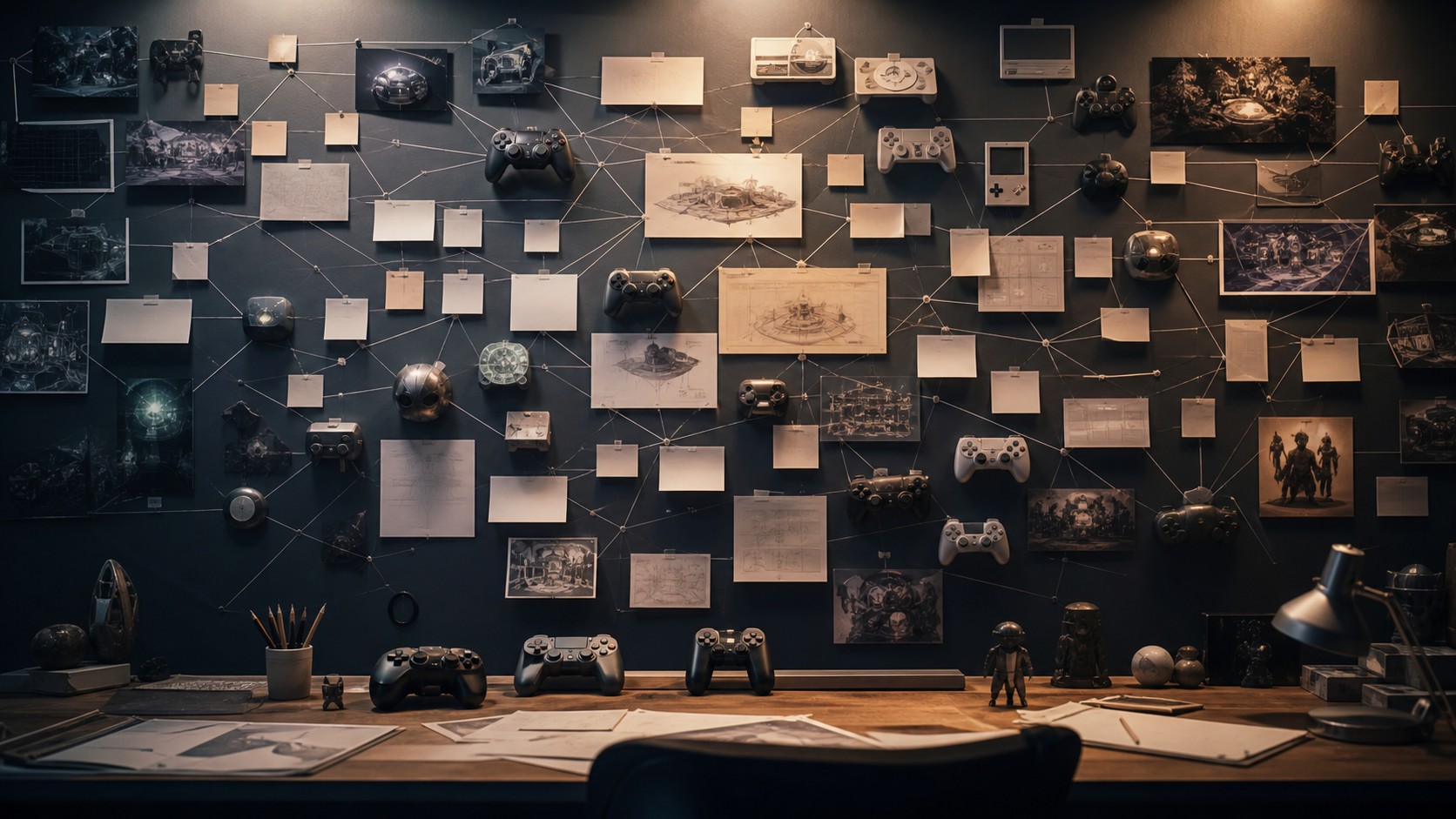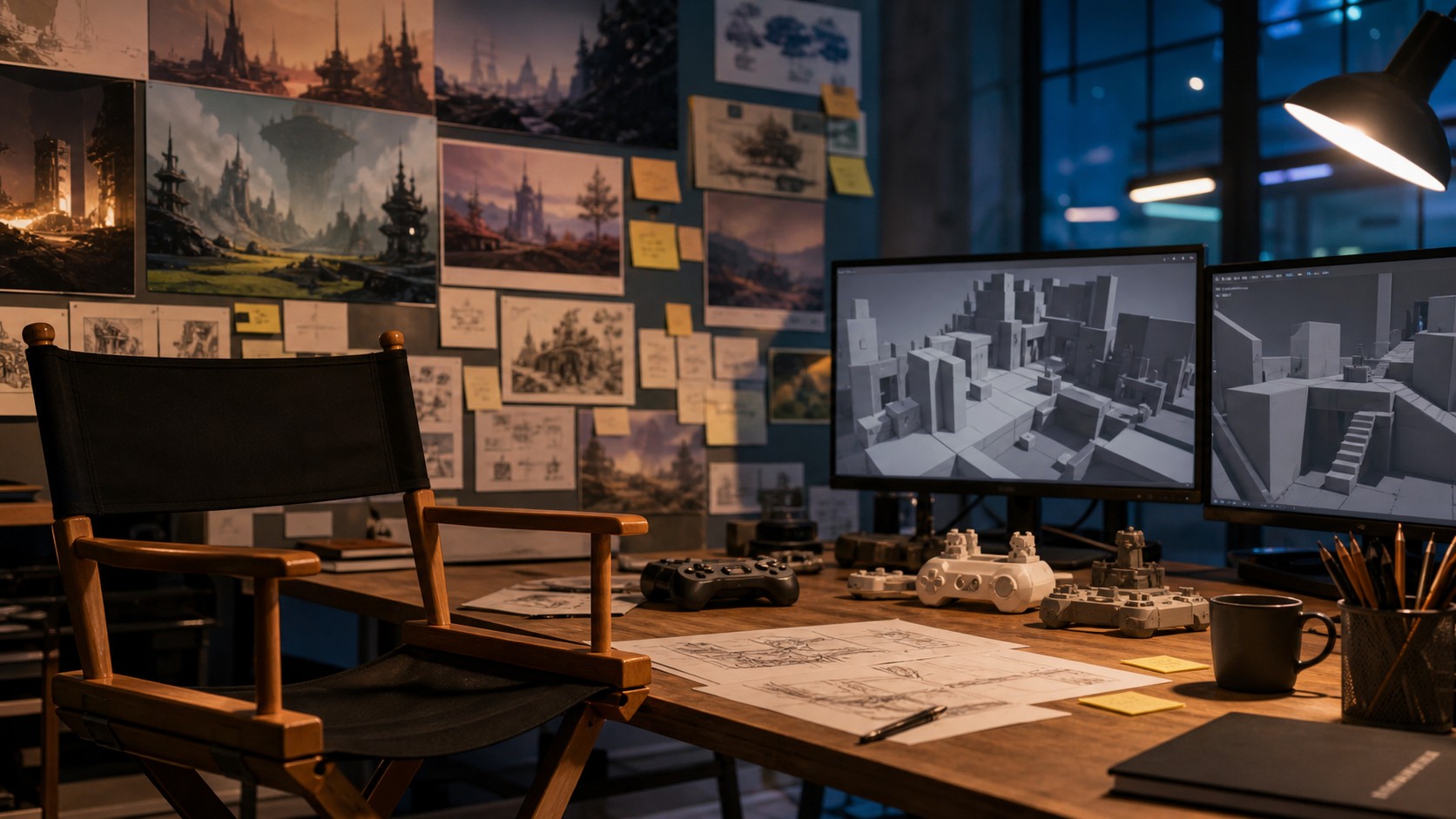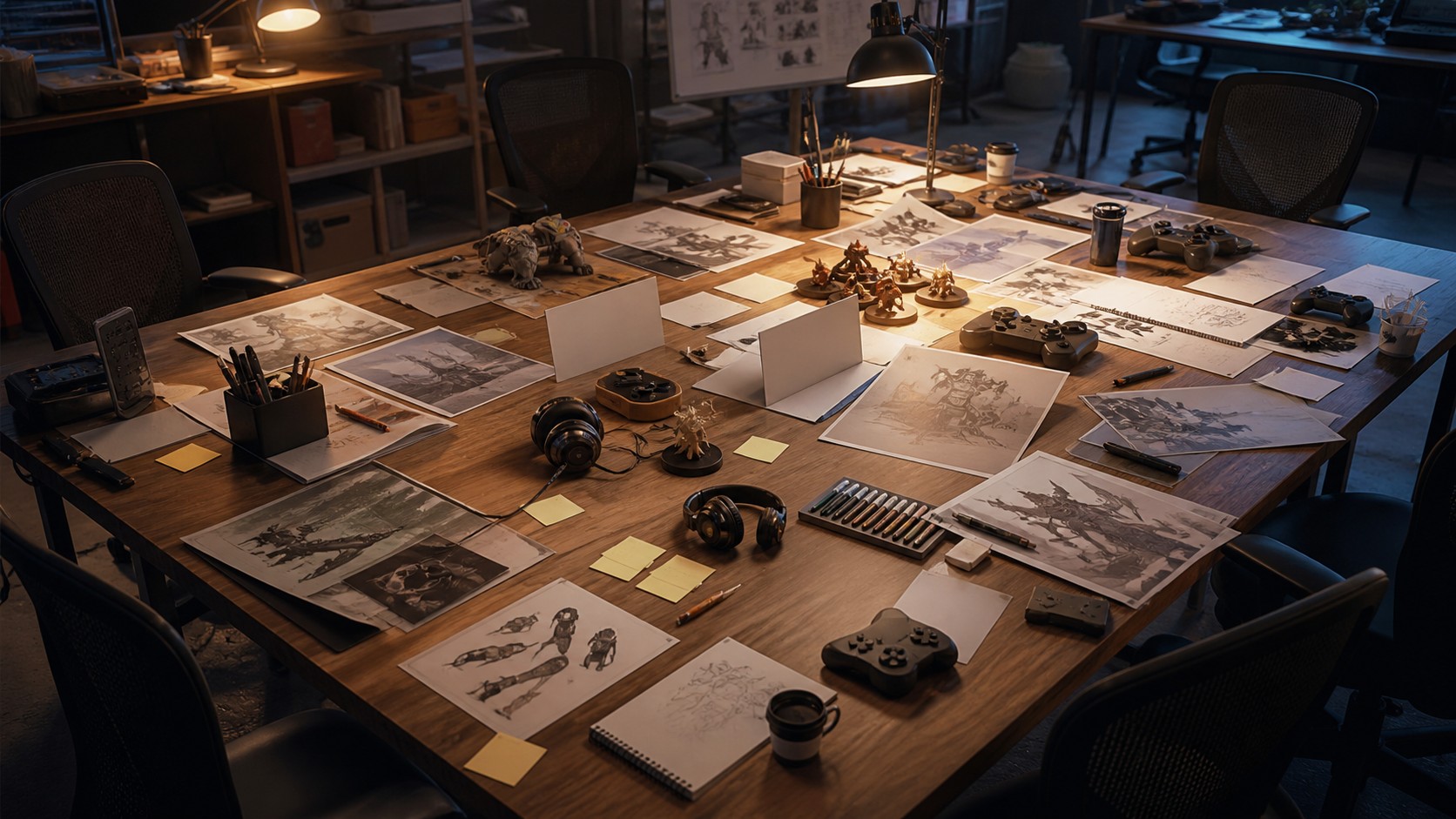
Who Really Makes Great Video Games?
The people behind the greatest video games ever made are rarely just one person. Famous directors and designers matter, but a great game is built by teams of programmers, artists, writers, level designers, composers, sound designers, producers, animators, QA testers, localization experts, tools engineers, community teams, and many others whose names most players never learn. Games are collaborative machines. A single creative vision can guide them, but the final experience depends on thousands of decisions made by specialists solving problems at every scale. Understanding those people makes great games feel more impressive, not less magical.
- Directors help define the game’s center, tone, and priorities.
- Game designers shape rules, choices, progression, and player challenge.
- Level designers turn mechanics into spaces that teach and surprise.
- Writers create dialogue, lore, quests, character arcs, and world meaning.
- Narrative designers make story work inside player freedom.
- Concept artists explore the visual identity before final assets exist.
- Environment artists make worlds feel readable, atmospheric, and lived in.
- Character artists define silhouettes, faces, outfits, creatures, and weapons.
- Composers create musical memory and emotional structure.
- Sound designers make actions, spaces, and dangers feel tangible.
- Engine programmers build the foundations that let the game run.
- Gameplay programmers make movement, combat, cameras, and systems respond.
- Tools programmers create software that helps other developers build faster.
- Network engineers keep online games stable under unpredictable player behavior.
- UI engineers turn menus and information into working interfaces.
- Technical artists connect visual ambition with performance reality.
- Animation engineers help characters move convincingly and efficiently.
- Build engineers manage versions, deployments, and production pipelines.
- Performance specialists hunt bottlenecks that players may never see.
- Great technical work often disappears because everything simply feels right.
- Producers keep schedules, dependencies, and decisions from collapsing into chaos.
- QA testers find bugs and strange player behaviors before release.
- Localization translators carry humor, tone, instructions, and emotion across languages.
- Accessibility specialists help more players understand and control the game.
- Community teams listen to players and communicate during updates.
- User researchers observe how real players respond to design assumptions.
- Marketing artists shape how a game is first understood by the public.
- Customer support teams handle problems after launch.
- Operations teams keep live games functioning over time.
- A great game depends on many forms of labor outside the spotlight.
- Miyamoto shows how direction can focus on playful clarity.
- Kojima shows how a director’s voice can become part of the game’s identity.
- Miyazaki shows how world design can trust players to interpret mystery.
- Ueda shows how silence and scale can carry emotion.
- Hennig shows how adventure writing can move with action.
- Druckmann shows how performance-heavy drama can drive blockbuster games.
- Meier shows how systems can create historical stories through choice.
- Wright shows how simulation can become personal and funny.
- Mikami shows how camera and limitation can direct fear.
- Famous names are useful entry points, not the whole production story.
- A responsive jump may require animation, physics, design, and programming cooperation.
- A memorable city street may involve layout, lighting, audio, props, AI, and optimization.
- A good quest may need writing, scripting, rewards, localization, and testing.
- A clean menu may hide months of UI iteration.
- A stable online match may depend on invisible network engineering.
- A powerful cutscene may require actors, animators, editors, audio teams, and tools support.
- A readable tutorial may involve designers removing explanations rather than adding them.
- A polished boss fight may require dozens of tuning passes.
- A translated joke may need cultural adaptation rather than literal wording.
- The best invisible work lets players stay immersed.
Who makes the greatest video games?
Great games are made by teams that include directors, designers, programmers, artists, writers, composers, producers, testers, and many others.
Do directors make games alone?
No. Directors guide the work, but games are deeply collaborative.
Why do programmers matter so much?
They make the systems, tools, performance, and interactions function reliably.
What do level designers do?
They turn mechanics into spaces that teach, challenge, and surprise players.
Why are QA testers important?
They find bugs, edge cases, and confusing behavior before players encounter them.
What does localization involve?
Localization adapts language, tone, instructions, humor, and cultural meaning for different audiences.
Why do credits matter?
Credits reveal the human labor behind every visible and invisible part of a game.
Can one famous person define a game?
A leader can shape identity, but the finished game depends on the whole team.
What role does sound play?
Sound shapes emotion, feedback, memory, and the feel of spaces and actions.
Why understand the people behind games?
It makes great games feel more impressive because their craft becomes visible.
Directors Give the Game a Center
Directors are often the names players remember because they help give a game its center. A director may define the tone, protect the core idea, make final calls, and communicate what the project is trying to become. Shigeru Miyamoto, Hideo Kojima, Hidetaka Miyazaki, Amy Hennig, Neil Druckmann, Fumito Ueda, and other public figures are discussed because their work feels connected by recognizable priorities.
But direction is not the same as doing everything. A director needs a team capable of turning direction into play. The best leaders make other people’s work sharper. They clarify what belongs, what distracts, and what emotional promise the game has to keep. A great director is less a magician alone in a room than a compass for a difficult expedition.
Designers Shape the Player’s Choices
Game designers decide what players do, what they risk, what they earn, and how the game responds. They shape combat rules, economy loops, puzzles, progression, enemy behavior, mission structure, tutorials, and countless interactions that players may never consciously notice. If a game feels fair, tense, generous, punishing, playful, or strategic, designers likely had a hand in that feeling.
Level designers deserve special attention because they turn abstract mechanics into places. A jump is only interesting when the space asks the right question. A stealth system matters more when the room offers meaningful paths. A boss fight depends on arena shape as much as attack patterns. Great level design can teach, surprise, and challenge without explaining itself in words.
Programmers Make the Impossible Behave
Programmers turn ambition into working reality. Engine programmers handle rendering, physics, memory, streaming, tools, networking, and performance. Gameplay programmers make weapons, movement, cameras, UI, enemies, vehicles, and systems respond correctly. Online engineers help games survive millions of unpredictable players. Tools programmers build the invisible software that lets other developers create faster.
Players usually notice programming only when something breaks, which is unfair but understandable. The smoothest technical work disappears. A stable frame rate, responsive controls, fast loading, convincing physics, and reliable online play all feel natural when they work. Great programmers make impossible complexity feel ordinary in the player’s hands.
Artists Build the World’s Face
Artists give a game its visual identity. Concept artists explore mood, shape, costume, creature design, architecture, color, and world logic before many assets exist. Environment artists turn spaces into believable places. Character artists define bodies, faces, clothing, weapons, and silhouettes. UI artists shape how information feels. Technical artists bridge beauty and performance so the game can actually run.
The greatest games often have art direction strong enough to survive technological aging. A game does not need the most polygons to remain beautiful. It needs a coherent visual idea. That idea comes from artists making thousands of choices about proportion, texture, contrast, lighting, and readability. Players may remember a skyline or character outline forever because an artist solved a problem elegantly.
Writers and Narrative Designers Create Meaning
Writers and narrative designers build dialogue, quests, lore, character arcs, item descriptions, environmental storytelling, and the emotional logic of a world. In games, writing rarely lives only in cutscenes. It appears in barks, menus, diaries, mission objectives, flavor text, companion banter, failure lines, and the order in which information is revealed.
Narrative design is especially important because player freedom can disrupt traditional storytelling. A player may take quests out of order, ignore the main path, or spend hours experimenting before returning to a dramatic scene. Writers and narrative designers have to create meaning that survives that behavior. The best game stories feel discovered and lived in, not simply delivered.
Composers and Sound Teams Shape Memory
Music and sound are some of the strongest memory anchors in games. A theme can make a menu feel sacred. A combat cue can raise the pulse before the player understands why. Footsteps, weapon sounds, creature calls, weather, crowd noise, interface clicks, and silence all shape how a game feels. Composers and sound designers work directly on emotion.
Great audio also supports play. Sound can warn players, confirm success, suggest distance, mark danger, or make an action satisfying. The click of a menu, the crack of a weapon, the swell before a boss phase, or the quiet after a battle can be as important as visuals. Players often remember how a game sounded before they remember exact mechanics.
Producers, Testers, and Localization Teams Hold It Together
Producers help coordinate time, people, priorities, and reality. They are often misunderstood as purely administrative, but good production can save a game from chaos. Producers help teams make decisions, avoid bottlenecks, track dependencies, and finish. Without strong production, even brilliant ideas can collapse under scope.
QA testers are equally essential. They find bugs, stress systems, test edge cases, and experience the game in ways developers cannot predict. Localization teams bring the game to different languages and cultures, often solving problems that are both technical and poetic. These roles may be less glamorous, but they are part of why a great game reaches players in a finished, understandable form.
Why Credits Matter
Credits matter because they remind players that games are made by people, not content machines. Every weapon, line, animation, menu, sound, translation, lighting pass, tool, and bug fix has human labor behind it. Famous names can help us understand creative leadership, but they should not make the rest of the team invisible.
The greatest video games ever made feel miraculous partly because so many disciplines have to cooperate. A masterpiece is not only an idea. It is an idea carried through meetings, revisions, failures, late fixes, compromises, breakthroughs, and invisible craft. The more players understand that, the more impressive great games become.
Why Great Games Depend on Shared Craft
The easiest story to tell about a famous game is usually the story of one visible creator. That story can be useful, but it is incomplete. A great game depends on shared craft across disciplines that constantly affect one another. A designer may propose a mechanic, but programmers need to make it reliable, animators need to make it readable, artists need to support its visual language, sound designers need to make it feel responsive, and testers need to find the strange cases that break the illusion. The final experience belongs to all of that work.
This collaboration is why credits are so important. They show that a game is not an abstract product that simply appears when a company announces a release date. It is made by people who solve specific problems under pressure. Someone tuned the jump arc. Someone named the menu items. Someone compressed textures so the scene would load. Someone rewrote a line so it made sense in another language. Someone found a crash that only happened after an unlikely sequence of actions. Those details rarely become marketing headlines, but they shape whether players trust the game.
The people behind great games also include roles that players may not associate with creativity. Producers create the conditions for creative work by managing scope, communication, dependencies, and deadlines. Tools teams make it possible for artists and designers to build faster. User researchers notice where real players are confused. Accessibility specialists widen the doorway into the experience. Community and support teams handle the long life of a game after release. In modern games, especially live or online games, creation does not stop when the first version ships.
Recognizing the team does not make famous directors or designers less meaningful. It makes their achievements clearer. Leadership matters because coordinating so many forms of expertise is difficult. Vision matters because a team needs direction. But the greatest games ever made are great because vision met execution across thousands of small decisions. When players understand that, a beloved game can feel even richer: not only a brilliant idea, but a shared act of craft carried all the way to the screen.
How Small Decisions Become a Great Game
A great game is often the result of small decisions accumulating until the whole experience feels inevitable. The timing window on a dodge, the curve of a road, the brightness of an objective marker, the weight of a door sound, the position of a checkpoint, the length of a line, the wording of a tooltip, and the speed of a menu animation can all change how players feel. None of those decisions alone explains greatness. Together, they create trust. Players keep going because the game keeps answering them in ways that feel deliberate.
That trust is built by many people refining one another’s work. A combat designer may need animation support before an attack feels fair. A writer may need level design support before a story beat lands naturally. An artist may need engineering support before a beautiful scene can run smoothly. A tester may reveal that a clever idea is confusing in practice. Great studios listen across those boundaries. The finished game feels unified because specialists kept negotiating with the same goal in mind: make the player believe in the experience.
The Bottom Line on the People Behind Great Games
The people behind the greatest video games ever made deserve attention because games are one of the most collaborative art forms in popular culture. A single player experience may contain the labor of designers, engineers, artists, animators, writers, composers, sound teams, producers, testers, localization specialists, accessibility experts, researchers, community staff, and many more. The magic players feel is real, but it is built from coordinated work.
Remembering that does not make games less wonderful. It makes them more impressive. Every beloved mechanic, scene, character, world, song, menu, secret, and dramatic moment passed through human hands before it reached the controller. Famous names can help tell the story, but credits tell the fuller truth. The greatest games are not only products of vision. They are proof that many kinds of craft can meet in one playable place.
Why Players Should Look at Credits
Watching or reading game credits can change how a player understands the medium. The long list of names reveals how many hands touched the final experience and how many specialties had to line up for the game to work. It turns appreciation from a vague feeling into recognition of real craft.
It also makes the industry feel more human. Behind every polished release are people making careful choices, solving stubborn problems, and trying to create something players will remember.
That recognition is a better way to celebrate games.
It gives the whole team a deserved place in the story.